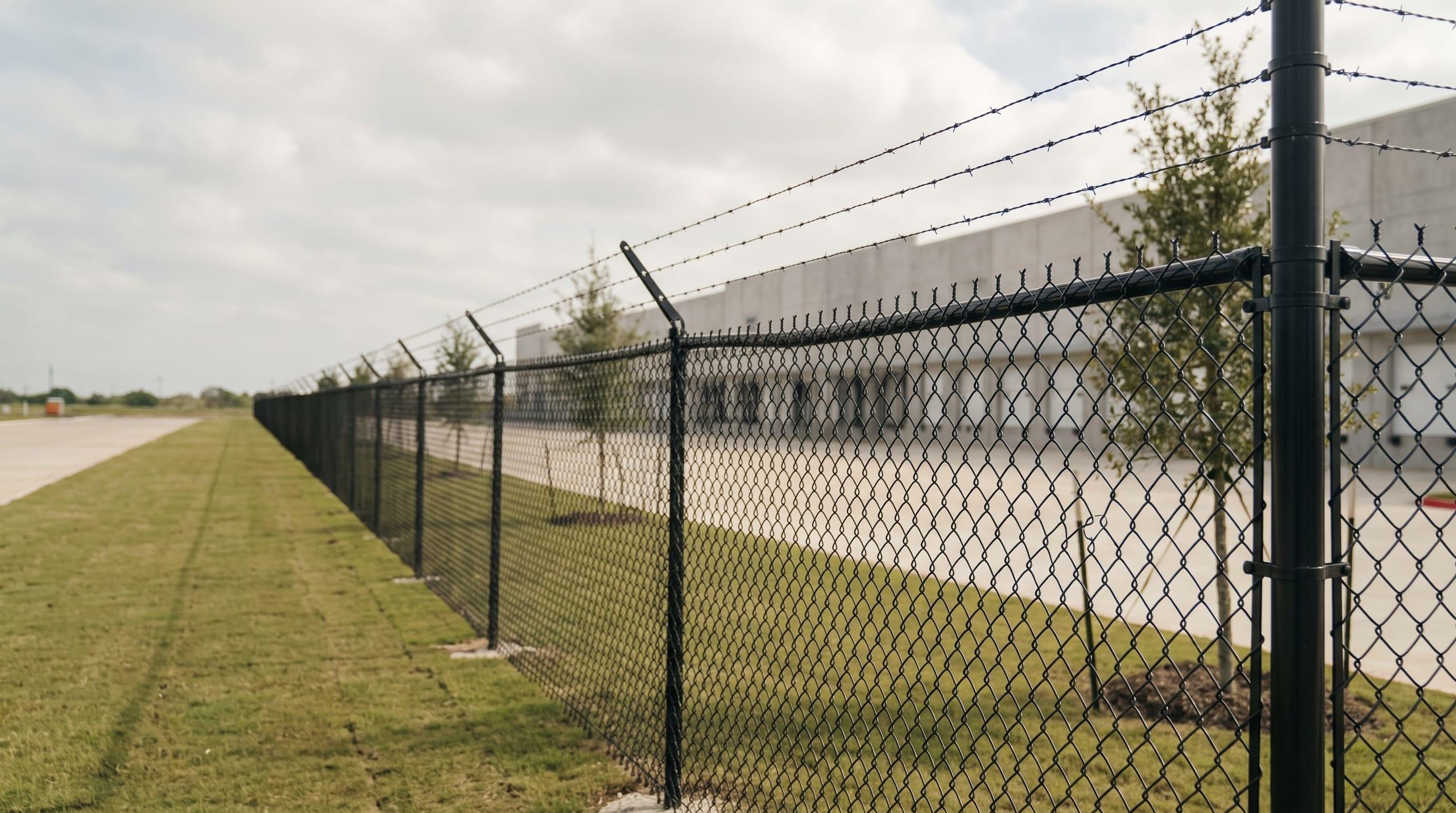

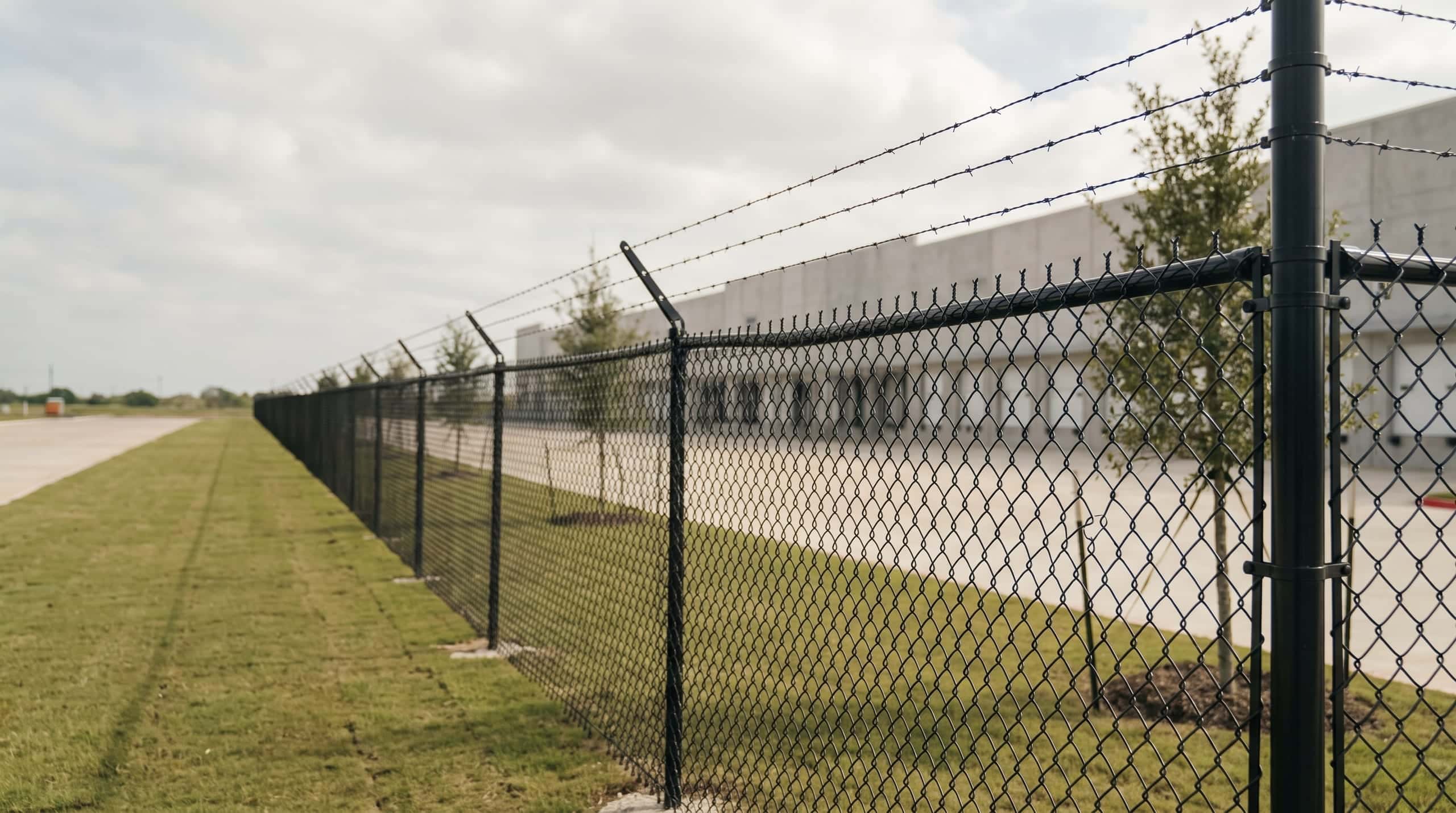
Austin’s safe-fencing rules, in effect since July 31, 2023, ban spiked tops and barbed wire on new and replacement fences. A fence at least 6 feet high on non-residential property is exempt, so a commercial fence can still carry them. Zoning, building and site-plan rules still apply to the property.
Plenty of owners have already had a fence that failed too soon, a quote that left out the grade or a crew that never came back. A top that the city’s rules allow still has to be named on paper before anyone builds it.
Austin lets commercial fences 6 feet or taller keep spiked or barbed tops
Ordinance No. 20230720-156 amended Austin City Code §25-2-899 and repealed the old barbed-wire restriction in §9-4-41. Fences built before July 31, 2023 are exempt as well, so only new or replacement fences under 6 feet high, or on residential property, fall under the ban.
The city’s own Development Services Department states the exception in one sentence. The Safe Fencing requirements, adopted July 20, 2023, do not apply to fences that are at least 6 feet high and located on a property with a non-residential use (City of Austin Development Services Department, 2023). Both conditions have to hold. A 6-foot fence behind a shop qualifies. A 5-foot fence behind the same shop does not.
Height decides the rule for a commercial owner. A fence that falls short of 6 feet gets no exemption, however commercial the property is.
Which fence tops does Austin ban on new and replacement fences?
On fences the rules cover, Austin prohibits spiked pickets that extend above the top horizontal rail, spiked bars and decorative spear points, and razor-like wire. It also prohibits barbed wire, except narrowly defined airport-related uses, and any design that creates a substantial risk of entrapment or impalement.
The last item reaches past the named products. A top that has no spikes and no wire can still fail if its design creates a risk of entrapment or impalement. A picket that rises above the top rail is the plainest case, because the point sticks up where a person could be caught on it.
Read the list as a filter for any top on a short or residential-adjacent fence. A decorative spear point looks like ornament, and the rules treat it as a spike.
When does replacing a commercial fence in Austin trigger the safe fencing rules?
Replacing more than 50% of an existing fence’s total linear distance triggers the safe-fencing requirements, subject to the stated exceptions. A replacement job on an old fence is therefore not automatically exempt, even when the fence it replaces predates July 31, 2023.
Take a hypothetical example. An owner has 400 linear feet of old fence with barbed wire on top. Swapping out 150 feet stays under the 50% line. Swapping out 250 feet crosses it, and the new work has to meet the rules unless the fence is at least 6 feet high on non-residential property. The sums here are illustration only.
Our Austin office sits at 11 Indian Meadows Dr in Round Rock, and we serve the Austin metro as one of four Texas metros and 42 cities statewide. A replacement quote is a good place to settle the footage question early, because the total linear distance decides which rules apply.
Which fence tops meet Austin’s safe fencing rules?
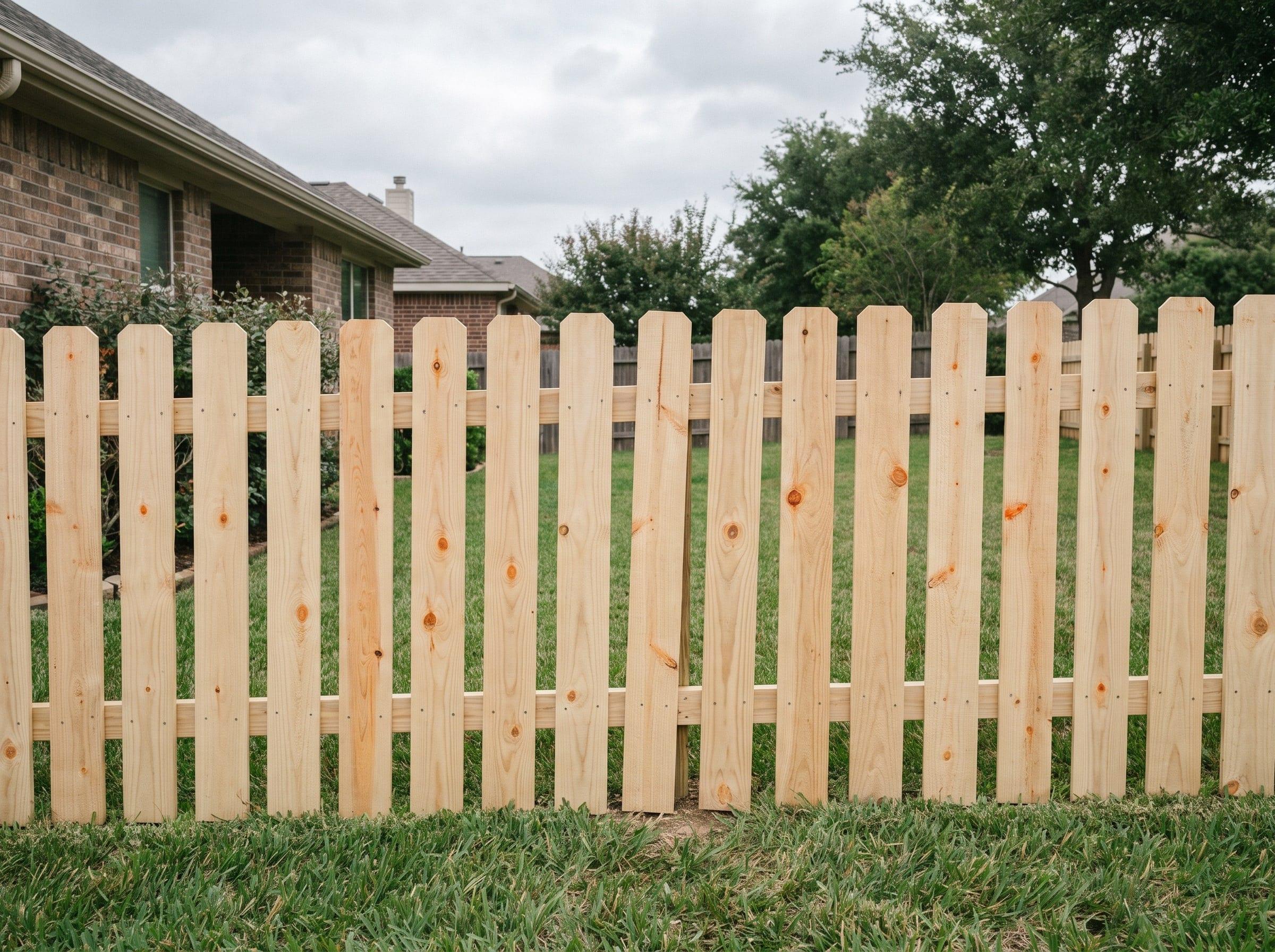
Three tops meet Austin’s rules: flat-top metal fencing, vertical pickets with compliant spacing, and chain-link fencing with knuckle selvage, which leaves no exposed sharp ends. Each one removes the point that the ban targets.
Flat-top metal fencing ends in a level cap, so nothing projects above the rail. Vertical pickets work when the spacing meets the rules. Knuckle selvage on chain link folds the wire ends back into a rounded edge, so the top carries no cut ends.
On the commercial side, our targets are general contractors on industrial projects and the Texas data-center and power-generation buildout, with perimeter and substation fencing. That is where a security top matters most and where a 6-foot-plus height is common. Owners on those jobs can choose a compliant top and still meet the exemption, or use the exemption and keep a spiked top. Both paths are legal, and the quote should say which one the owner picked.
What other Austin rules apply to a commercial fence besides safe fencing?
The safe-fencing exception covers fence tops only, and other zoning, building, site-plan and safety requirements may still apply. Commercial fence projects should be reviewed through Austin Development Services.
Height triggers more review. A fence is subject to additional City of Austin regulation if it is more than 7 feet high at any point (City of Austin Development Services Department, 2023). Fences over 7 feet generally require a permit. Floodplain fences require permits regardless of height.
A tall security fence on a commercial lot can hit several of these at once. It can be over 6 feet, so the exemption holds, and over 7 feet, so the extra review applies. Settle the height, the floodplain status and the review path before anyone orders material.
What should an Austin commercial fence quote say about the fence top?
A quote should name the top by type, state the height and list the fence type, materials, length, picket grade and post depth. If any of those is missing, the owner cannot tell whether the price covers a compliant fence.
On our side, a salesperson meets the customer on site, measures the linear footage and confirms fence type and picket grade. We quote the picket grade, #1 to #3, by name, and the grade is named in writing on the quote. The price is figured per linear foot, from the footage measured on site and the picket grade selected. Customers can request a free on-site estimate and consultation, and the team designs, installs and reviews the project.
Ask for the top in writing as its own line: flat-top, compliant vertical pickets or knuckle-selvage chain link, or the spiked or barbed top the owner chose under the 6-foot exemption. A line like that settles the question before the crew arrives.