
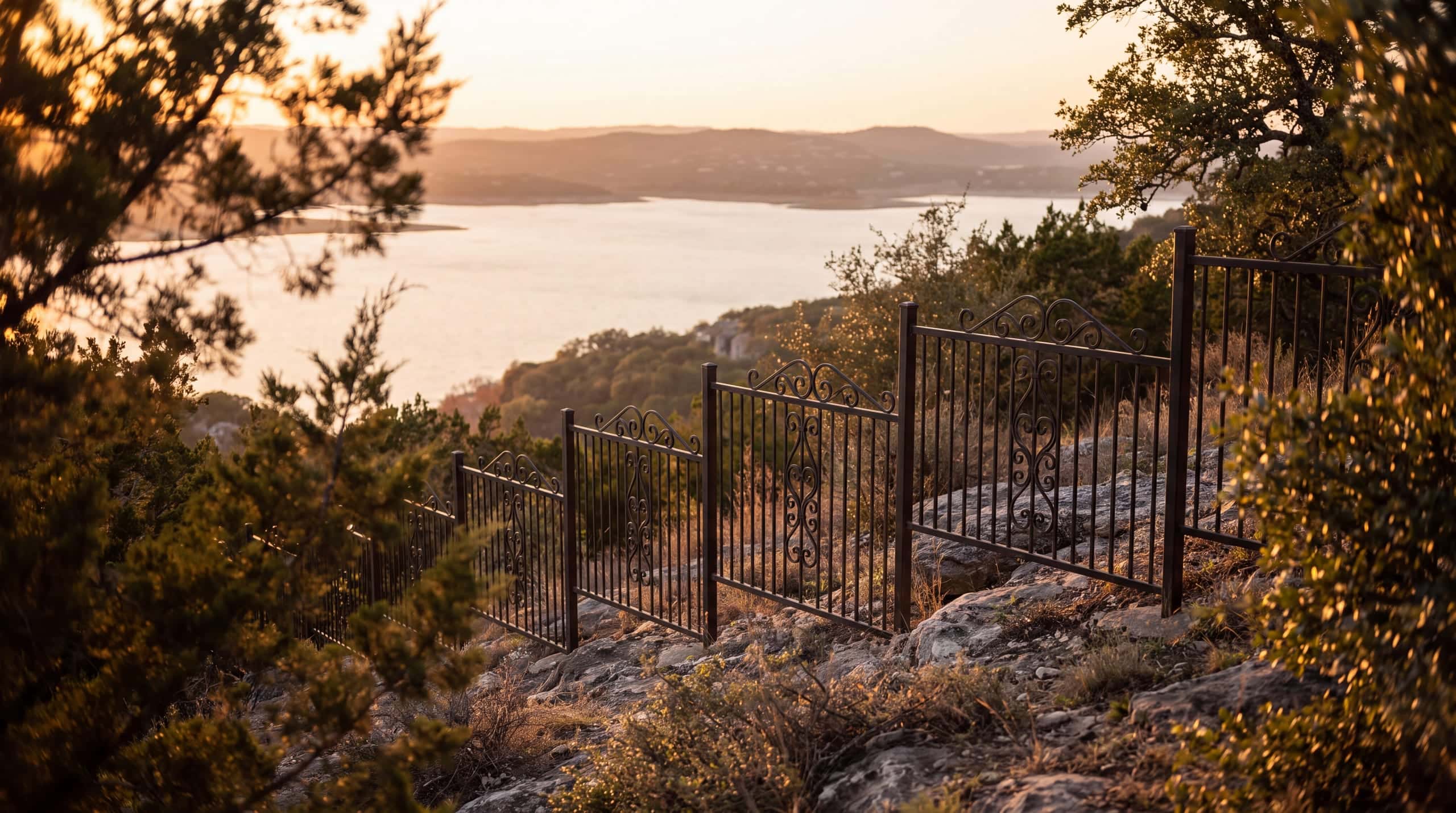
Most Austin fence shopping starts the same way. Three quotes, three prices per linear foot, and the lowest number wins.
That works fine on flat black soil. West of the city and out through the Hill Country corridor, the price on the page is a guess until somebody finds out what sits under the grass, because the ground out here can stop a post hole 6 inches down.
Balcones Faulting Put Hard Limestone Under West Austin
West Austin sits on rock because a fault line runs through the middle of the city. Balcones faulting dropped the east side of Austin by as much as 700 feet, which left the hard Lower Cretaceous limestones and dolostones exposed on the west side (University of Texas Bureau of Economic Geology). Same city, two very different digs. A crew can bore a post hole in minutes on one side of town and spend the better part of an hour on the other.
That split is why a per-foot price quoted over the phone means so little here. The number that is fair in Pflugerville can be badly wrong in Westlake Hills, and nothing about the fence itself changed. The ground changed.
Bedrock Can Sit 4 Inches Under a West Austin Yard
Thin soil over limestone is the normal condition out here. The Eckrant soil series, common on the dissected plateaus of the Texas Hill Country, carries limestone bedrock anywhere from 4 to 20 inches down (USDA NRCS). A standard privacy fence post wants to go deeper than that. So the hole is either cut into rock or it stops short, and the fence pays for that later.
Depth also moves inside a single property. A soils study on a mapped Tarpley clay unit nearby in the Hill Country found fractured limestone at 17 to 21 inches (Texas State University, Freeman Ranch Soils Study). One corner of your run can dig like dirt and the next can hit refusal at the first foot. Nobody knows which until an auger or a probe goes in the ground.
The Building Code Sizes Post Depth From the Soil Under It
Post depth is not one number that works in every yard. The 2021 International Building Code treats a fence post as a cantilevered pole, and the required embedment grows with the push on the fence and how high that push acts, then shrinks as the soil gets stronger (2021 International Building Code, Section 1807.3.2.1). Sound rock, cut properly, is excellent support. A hole that quits on top of rock is not support at all.
The push side of that math is not small. Engineers load a solid privacy fence as a solid freestanding wall, with the wind acting across the whole solid face and higher forces at the ends and corners (ASCE/SEI 7-22, Chapter 29). Your gate posts and end posts carry the most, which is exactly where a shallow hole shows up first.
| Term | What it means | Why it matters on rock |
|---|---|---|
| Embedment | How much of the post is below grade | The code sizes it from soil strength and wind, not habit |
| Nonconstrained post | A post with nothing bracing it at the top | Every fence post is one, so it is sized as a cantilever |
| Lever arm | The height where the wind push acts on the post | A 6-foot panel pushes harder than a 4-foot one |
| Auger refusal | The point where the drill stops advancing on rock | Where a hole either gets cut deeper or gets faked |
Five Lines an Austin Fence Bid Has to Name
A bid that names the ground is a bid you can hold somebody to. Five lines do that work. Measured footage, post depth, what happens when the auger hits rock, the concrete spec, and the picket grade. A quote missing those five is priced on a guess about your lot, and the guess gets corrected on install day at your expense.
- Footage somebody measured on your property. Not pulled off a map or a plat. Aerial footage misses the jog around the AC pad and the drop at the back corner.
- Post depth in inches. Ask for the number the crew is building to, not a range. Then ask what they do when they cannot reach it.
- What happens at refusal. This is the line most bids skip. Who decides, who pays, and do you hear about it before the concrete goes in or after.
- The hole and the concrete. Hole diameter and concrete per post. A wider hole in rock costs more time, and time is what rock actually charges you for.
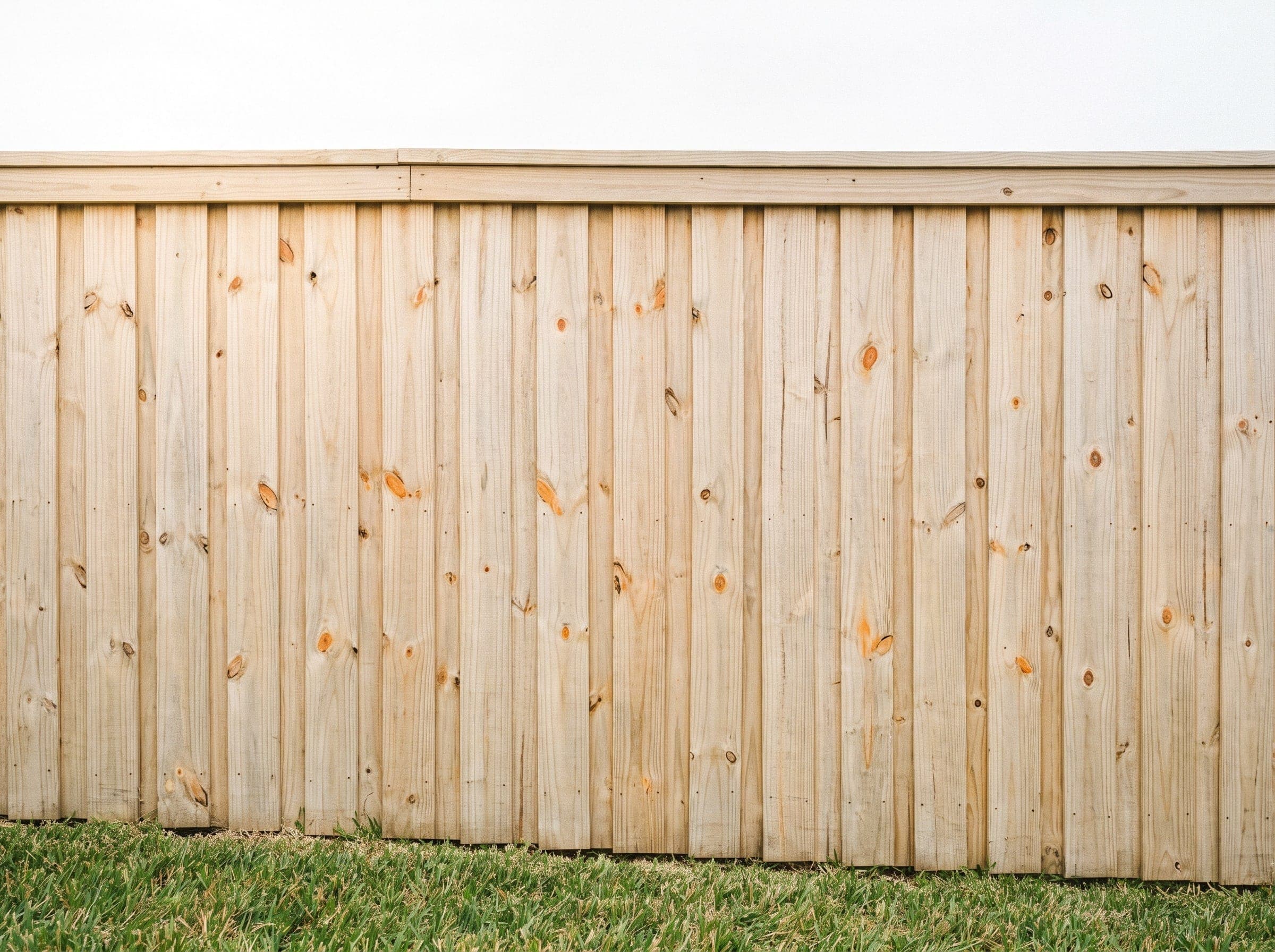
- The wood and its grade. Cedar and pine are not specs by themselves. Pickets run #1 through #3, and two bids can say cedar and mean two different boards.
Austin Caps a Solid Fence at 6 Feet From Natural Grade
Height in Austin gets measured from natural grade, which is a bigger deal on a sloped lot than on a flat one. A solid fence along a property line may not exceed 6 feet from natural grade, and it rises to 7 feet only where there is a grade change of at least 1 foot (City of Austin, Land Development Code Section 25-2-899).
The same code exempts a fence up to 7 feet from a permit outside floodplains. A permit is required above 7 feet, above 6 feet along a public right-of-way on residential property, and inside a floodplain at any height. On a Hill Country run that steps downhill, natural grade moves under every panel, so the legal height is really a question asked panel by panel. A bid drawn on flat ground does not ask it once.
Rock Moves the Labor, and No Cost Guide Prices It
Published fence costs price the panel and skip the ground. Texas installed prices sit below the national average, where wood fence installs run $20 to $50 per linear foot (HomeGuide, 2026), and the Texas ranges below assume flat, clear ground. They exclude rocky soil, old-fence removal, gates, and slope, which is close to a complete description of a West Austin lot.
| Fence type (6 ft residential) | Texas installed cost per linear foot | What the range assumes |
|---|---|---|
| Pressure-treated pine privacy | $18 to $30 | Flat, clear ground with no rock and no removal |
| Cedar privacy | $25 to $45 | Clear, knot-free grades sit at the top of the range |
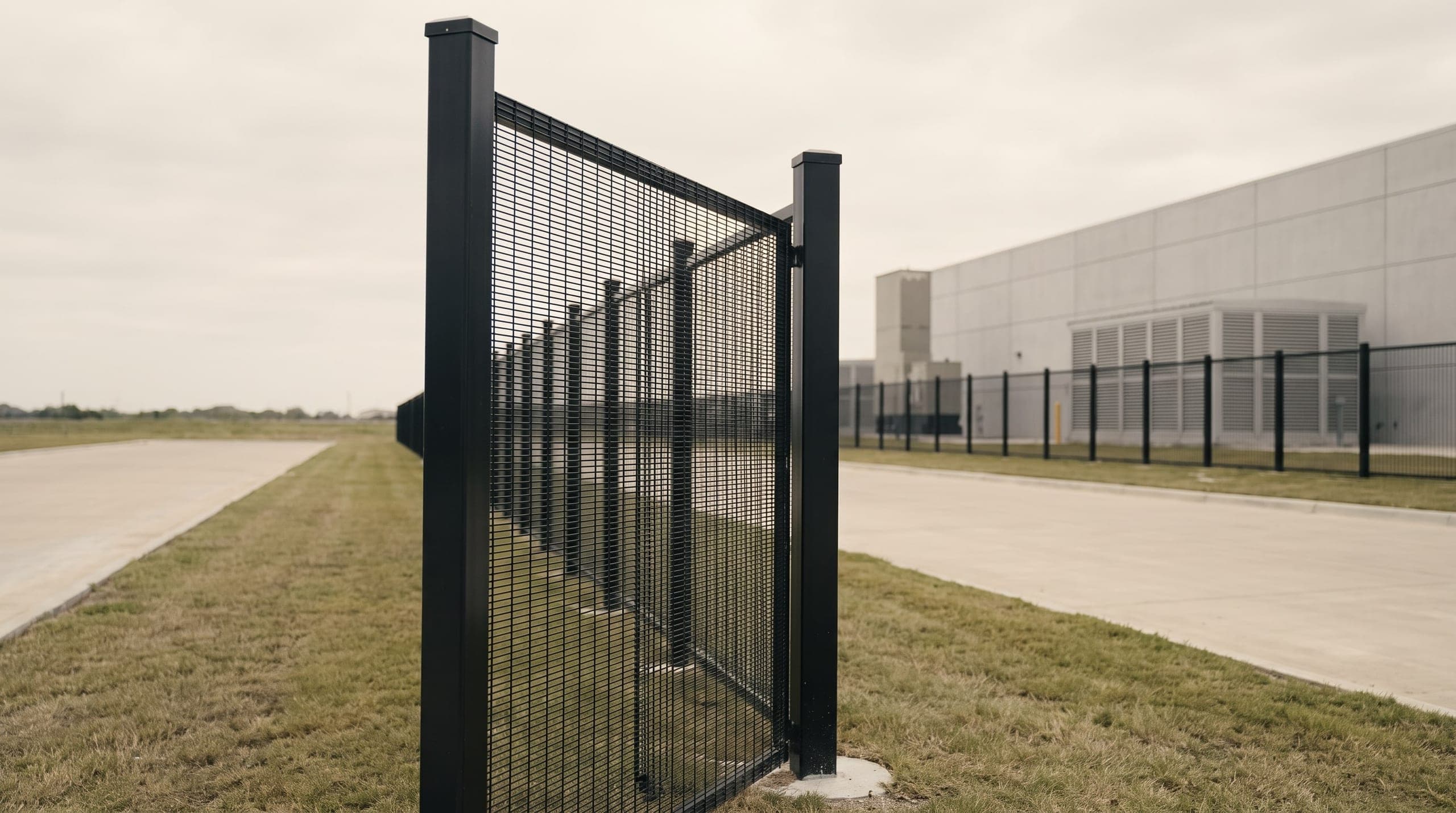
| Ornamental steel or wrought iron | $45 to $90 | Custom welded designs sit at the top of the range |
| Chain link | $12 to $28 | 6-foot and commercial-grade fabric costs more than 4-foot |
So the ground moves the labor half of your quote, and there is no published table that can tell you by how much on your address. The material half is the part that can be moved in your favor. Master Halco named us its Largest Volume Customer for 2026 in both the Southwest Region and the world, and that buying power on wood pickets goes into the price the customer sees. You pay less for the same spec, with the grade named on the page.