
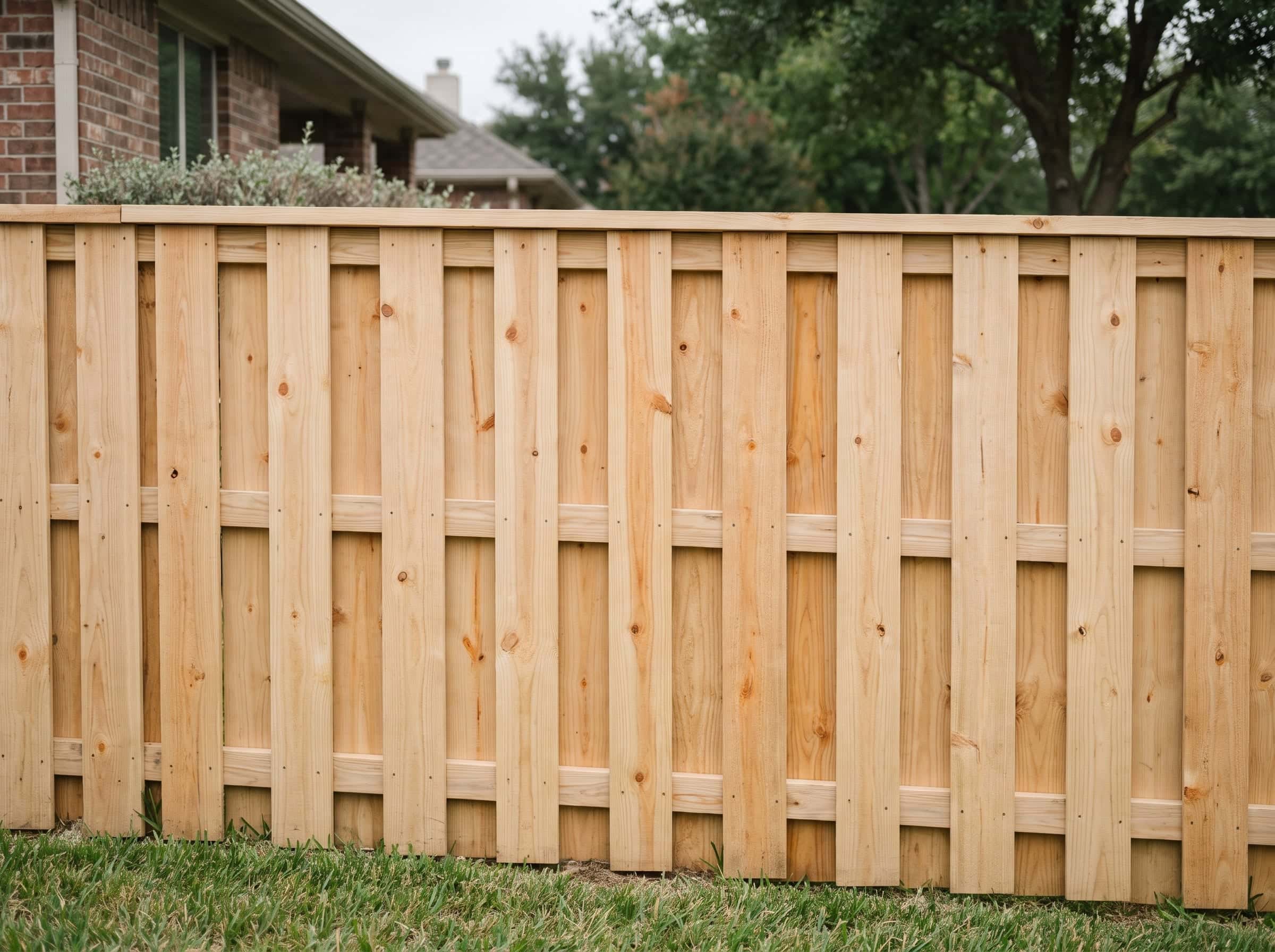
Hire a Texas-licensed land surveyor to find your exact legal boundary and mark it in the field, then give that marked survey to your fence contractor before any post hole is dug. Call 811 first so underground utilities are marked before digging.
Most homeowners who get burned by a fence were burned before the first post went in. The line was a guess, the quote left out the picket grade, or the crew stopped answering the phone. Each step below closes one of those gaps, in the order you need them.
Have a licensed surveyor mark your Fort Worth fence line first
A Texas-licensed land surveyor finds your exact legal property line and marks it in the field, which a tape measure or a guess from the old fence cannot do. Hand that marked line to the contractor before digging and no post depends on a guess about where your lot ends.
Don’t ask for a regular measurement. Ask for the exact legal property line, established in the field. The safest way to make sure a Fort Worth fence sits on your property is to have the line identified before the contractor starts digging or installing posts.
The order matters because a post hole is hard to undo.
What should a Fort Worth boundary survey for a fence include?
Ask for a residential boundary survey with the property corners located and marked. Request the exact legal line, existing corner pins found or re-established, stakes or flags where the fence will run, a copy of the survey, and any utility or drainage easements shown.
Start with the paperwork you already own. If it is missing, the surveyor can still locate the corners and mark them.
When you call, say the words that matter: boundary survey, corners located and marked, corner pins located or re-established. Then ask for a copy of the finished survey. That copy is what you hand to the contractor, so it should show the boundaries and the easements on the lot.
How do easements change where a Fort Worth fence can go?
Easements change a fence plan because any utility or drainage easement affecting the fence location has to be identified before posts are set. Ask your surveyor to show every one on the survey.
A survey that shows the easements lets you and your contractor see them on paper before a crew arrives. Put the question to your surveyor in plain terms: which easements cross the fence line, and where do they sit?
Which Fort Worth fences need a building permit?
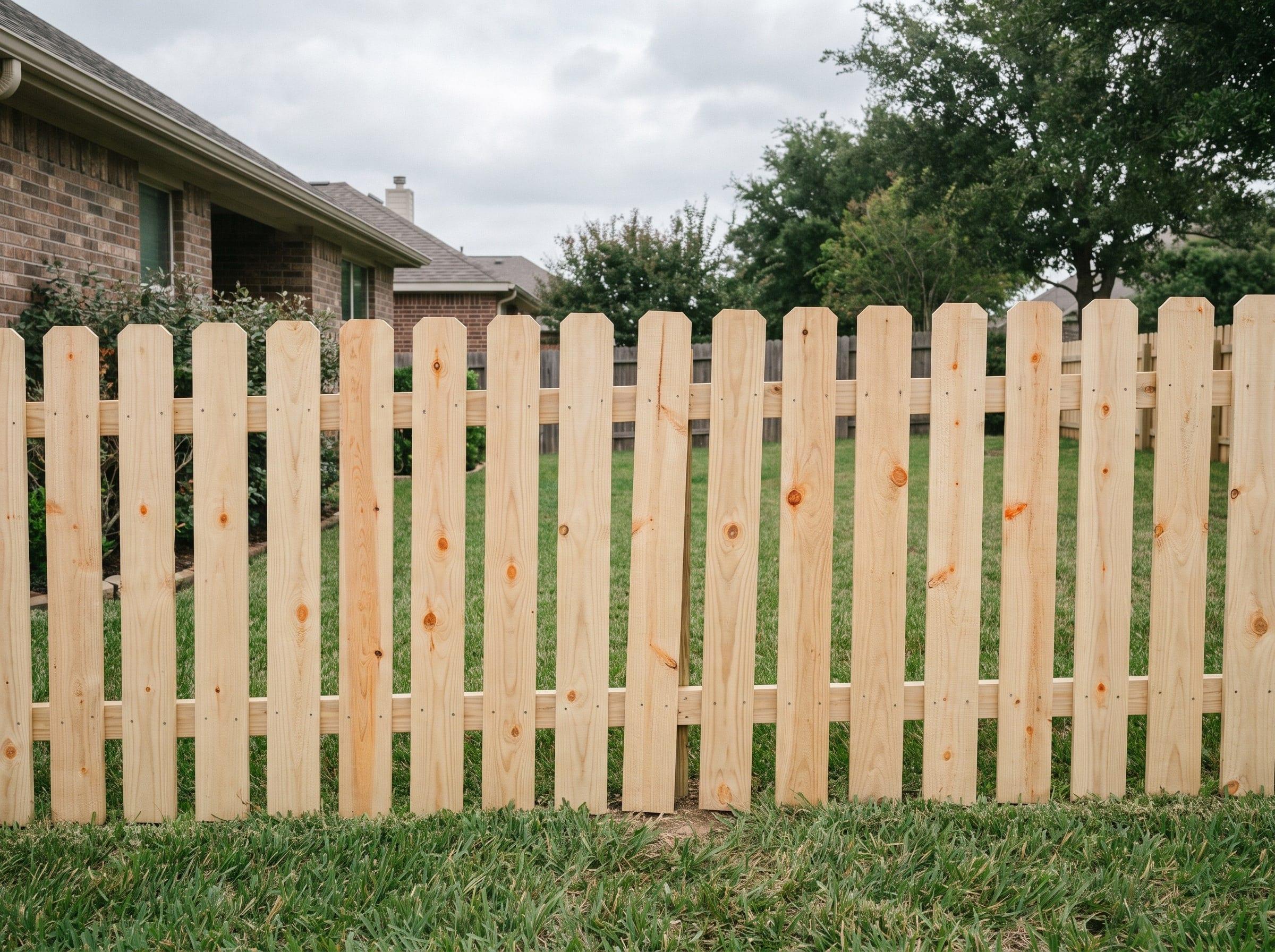
Fort Worth requires a building permit for solid fences taller than 7 feet and for open fences taller than 8 feet (City of Fort Worth, 2026). Fences in the front yard and projected front yard can be no more than 4 feet tall and must be open, picket style.
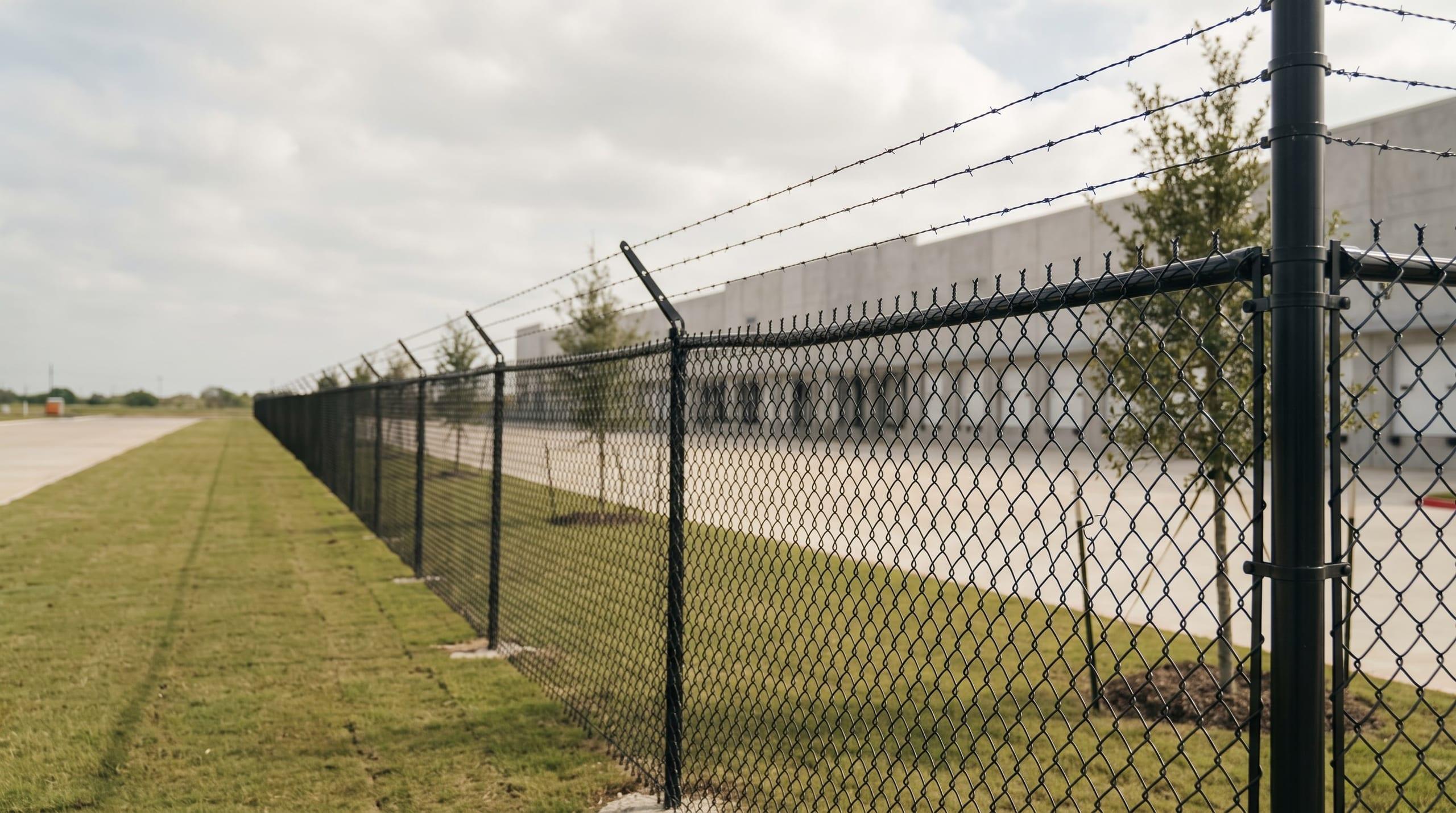
Chain link is prohibited in the front yard and projected front yard, according to the same city page. A fence may also need additional approval if the property is in a historic district. The city’s residential permitting page for fences and retaining walls states no fee and no separate rule for replacing a fence.
An older city guide gave 6 feet as the solid-fence threshold. The current page supersedes it, so plan to the 7-foot and 8-foot figures. Check your height and your front-yard layout against those numbers before you pick a fence type.
When should you call 811 before digging fence posts in Fort Worth?
Call 811 before any digging so underground utilities are located and marked. Texas811 says to dial 811 or make a request online two business days before a digging project.
Texas811 publishes the procedure in five steps:
- Contact 811: Dial 811 or make a request online two business days before any digging project.
- Wait: Wait the two business days for the utility companies to mark the work area.
- Confirm: Confirm that all affected utility companies have responded. Compare the markings with the utilities listed on the 811 ticket.
- Respect: Respect and replace the markings the utility companies provide. They are your guide for the duration of the project.
- Dig with care: The person digging is responsible for avoiding damage to marked lines.
The survey tells you where your lot ends. The 811 markings tell you what runs underground inside it. You need both before a post hole is dug.
What should you give your fence contractor before digging starts?
Give your contractor the marked survey information before digging starts. The marked line and the copy of the survey are what let a crew set posts where your lot actually ends.
Then look hard at the quote. At Johnson Fence, the salesperson meets you on site, measures the linear footage, and confirms the fence type and picket grade. We price every project by custom quote after a free on-site estimate, and the price is per linear foot, set by the footage measured and the picket grade you choose, #1 through #3. Cost also depends on fence type, materials, length, gates, and site conditions.
That is the standard to hold any contractor to: a measured footage and a named grade on paper. Other Texas fence customers describe what happens without one. In a one-star Google review of Austex Fence & Deck from May 26, 2026, the reviewer wrote: “The post should be 2 feet underground but they only did 1 feet. I cannot imagine a fence professional company could do something like that. Now my fence is in bad condition and it is leaning because of that and they are not willing to come back to fix it.”
A fence leaning after a shallow post is a replacement problem, and it is cheaper to get the post depth and grade on the quote than to argue about them later.