
No, replacing an existing residential fence in Fort Worth generally needs no permit when a solid fence stays at 7 feet or less and an open-style fence at 8 feet or less. A solid fence taller than 7 feet, an open-style fence taller than 8 feet, or installing or altering an electrified fence does need one.
Most homeowners with a failing fence worry about the permit last and the contractor first. A fence that failed too soon, a quote that left out the grade, a crew that never came back: the city’s rules are the short part of the job.
Fort Worth fence replacement needs no permit at 7 feet or less
Replacing damaged or rotted boards and posts on an existing standard residential fence is work Fort Worth does not require a permit for. If your plan sits near a height line or you are unsure, the City of Fort Worth Development Services office at 817-392-2222 is the one to call.
Replacing a whole existing standard residential fence follows the same rule. You do not need a permit as long as the new fence meets the city’s height and design requirements. The permit question turns on the new fence’s height, its style and where it stands.
Call before you sign anything if the new fence will be taller than the old one.
Which Fort Worth fence jobs do need a permit?
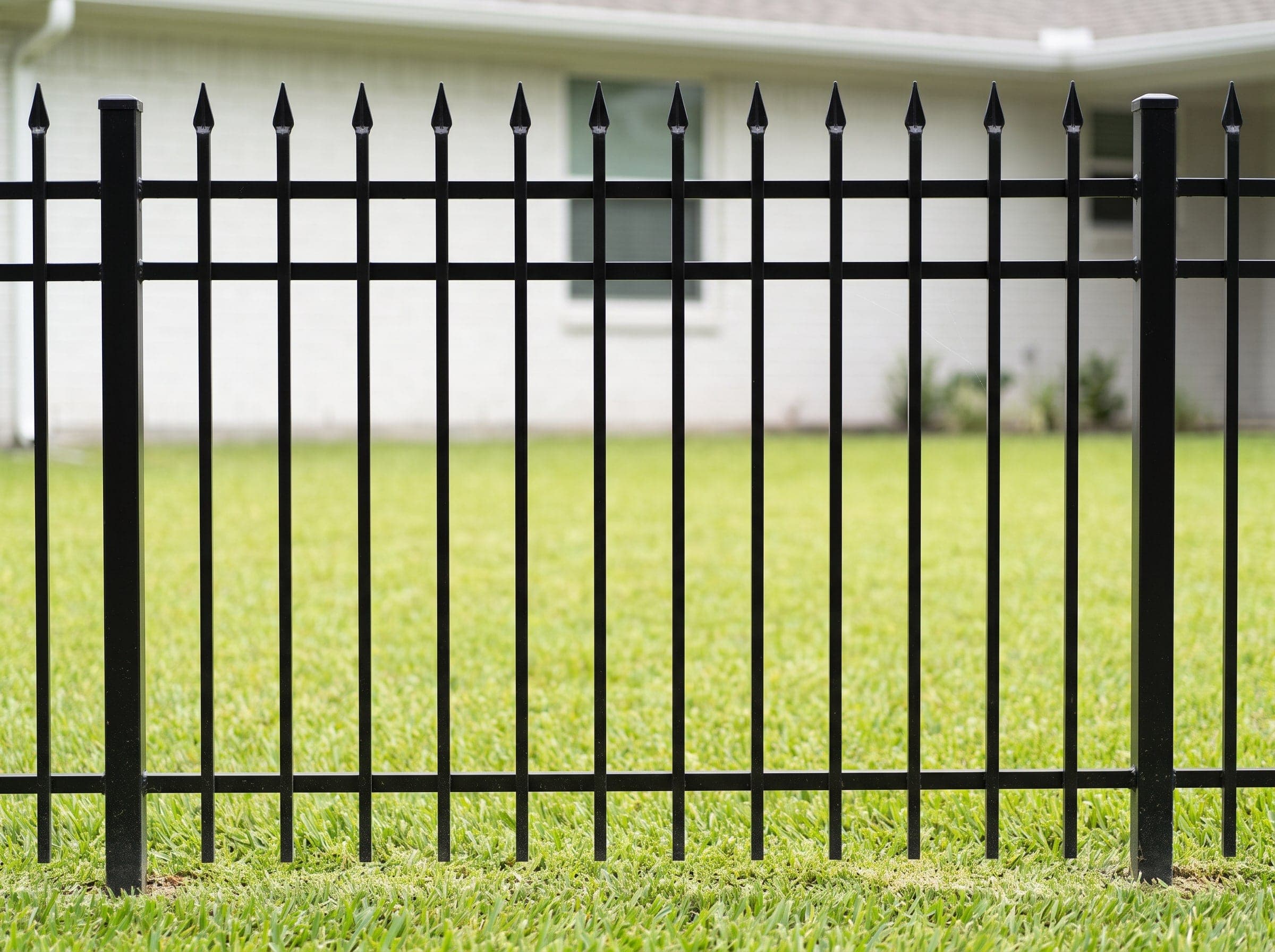
Three jobs need one: a solid fence taller than 7 feet, an open-style fence taller than 8 feet, and installing or altering an electrified fence. The City of Fort Worth’s Development Services permitting page says: “Building permits are required for solid fences with a height above 7 feet and for open fences with a height above 8 feet.”
An older city guide gave 6 feet as the solid-fence line, and the current page puts it at 7. The page states no fee and no separate rule for replacing a fence, so the height lines apply to a replacement the same way they apply to a new fence.
Your mailing city may not be the city that governs your lot. Arlington requires a fence permit for a new fence or for replacing 50% or more of an existing one (City of Arlington, 2026). Crowley’s permit rule also turns on replacing half or more of a fence (City of Crowley, 2026). Check which city your address answers to before you assume the Fort Worth rule covers you.
We determine whether a job needs a permit and file it where one is needed. You do not have to work out the paperwork before you call.
How tall can a fence be in a Fort Worth front yard?
Front-yard fences in Fort Worth generally cannot exceed 4 feet and must be an open-design picket style. The city’s permitting page puts it in one sentence: “Fences in the front yard and projected front yard can be no more than 4 feet tall and open design picket style.”
The same page adds: “Chain link is prohibited in the front yard and projected front yard.” Fort Worth’s zoning ordinance, Section 5.305, goes further and permits no solid fence or wall in the required front yard of a one- or two-family home.
Corner lots carry one more limit. No fence over 2 feet is permitted within the triangle formed 20 feet in each direction from the street-intersection corner (City of Fort Worth, Zoning Ordinance Section 5.305).
The permitting page sets no separate rule for replacement fences. Measure your front-yard line against these limits before you order a single picket, and tell your contractor the number.
Does a Fort Worth historic district change the fence permit rule?
Yes. Properties in a Fort Worth historic district may need additional approval before a fence goes up, and placement and zoning requirements apply even where no permit is required. The city’s permitting page says the same: “Fences may require additional approval if the property is in a historic district.”
A fence that clears the 7-foot and 8-foot permit lines can still break a placement rule. Fort Worth’s zoning ordinance allows no fence over 8 feet surrounding residential property behind the front building setback line. Height is measured from the highest adjacent grade to the highest point of the fence or gate, so a gate or a sloped lot can push a fence over a line you thought you cleared.
If your home sits in a historic district, call Development Services at 817-392-2222 before you pick a style and a height. That call costs a few minutes. Ordering the wrong fence costs a job.
What should you check before digging for new fence posts in Fort Worth?
Call the 8-1-1 one-call center first. Texas requires three business days of advance notice before an excavation, and that includes small projects such as planting a tree, installing a mailbox post, building a deck or building a swimming pool (U.S. Department of Labor (OSHA), 2023).
A fence replacement means digging post holes, so count three business days into your start date. Placement and zoning requirements also still apply when no permit is needed, which makes the front-yard limits and the corner-lot triangle your second check.
Then walk your property line with your contractor and confirm the height and location of the new fence against the old one. Every job we start gets a measured quote after a free on-site estimate, so the footage and the fence location are settled before a post goes in.
What should a Fort Worth fence replacement quote spell out?
A quote should name the footage, the fence height, the material grade and the post detail, because those are the numbers that decide whether the fence lasts. It should also say when the crew starts.
Fort Worth’s ground is part of the reason. According to Texas Tough Foundation Repair’s 2026 soil data, the most common soil in Tarrant County is Sanger, a Grand Prairie clay rated high shrink-swell with a plasticity index around 33. It covers about 10% of the county, much of it in and around Fort Worth. Crosstell is also rated high shrink-swell, while Aledo and Gasil are low swell. Posts sit in that clay for years, so ask what the quote says about them.
A 2-star Google review of Alamo Fence Company of San Antonio from March 25, 2026 reads: “Slow turnaround, uncompetitive pricing, lack of follow-through on follow-ups and revisions”. A quote that puts the start date and the grade on paper gives you something to hold a contractor to.