
Services and Scope

How General Contractors Vet a Commercial Fence Sub

A fence subcontractor almost never costs a general contractor money on the bid line.

August 6, 2026

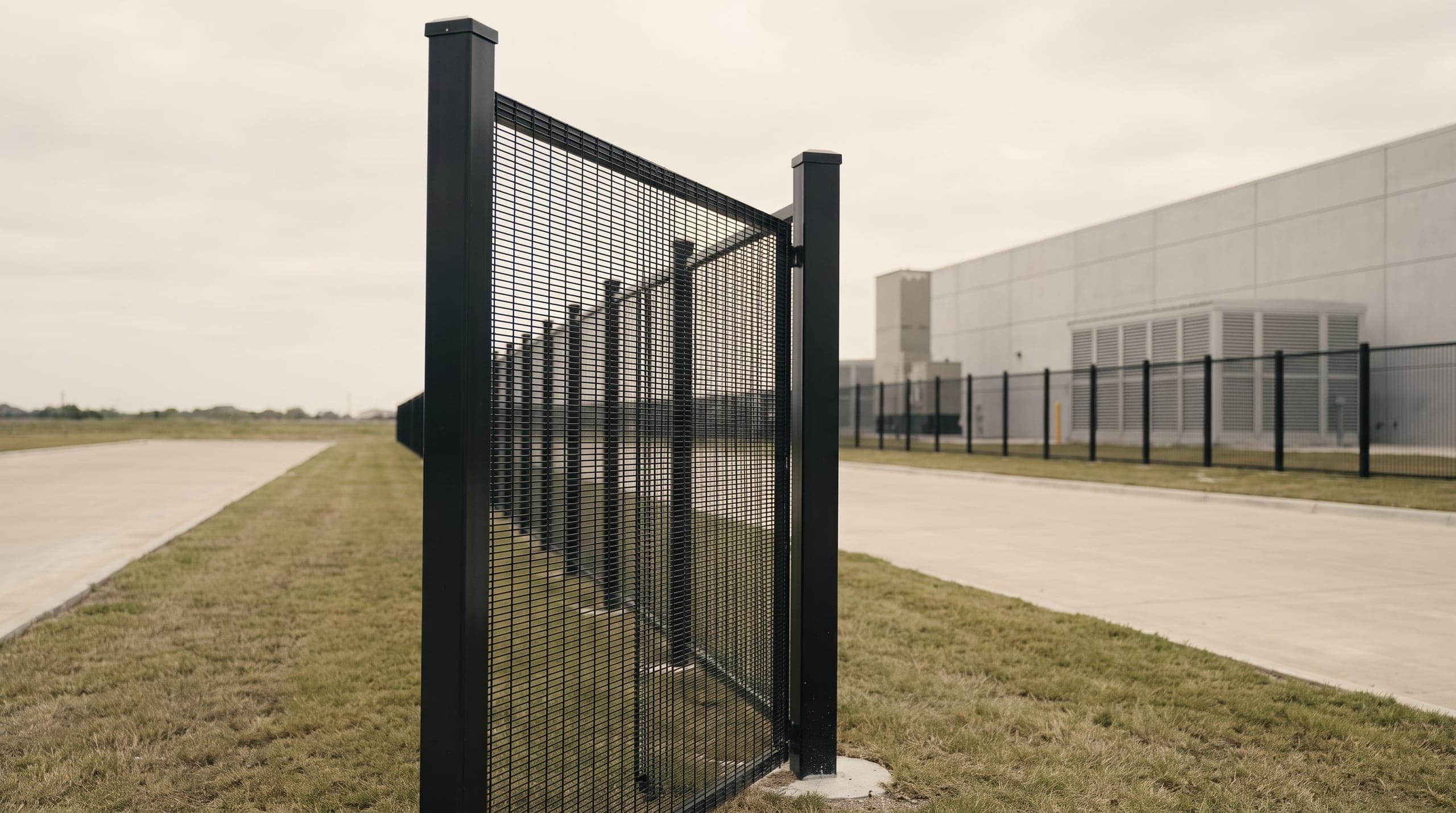
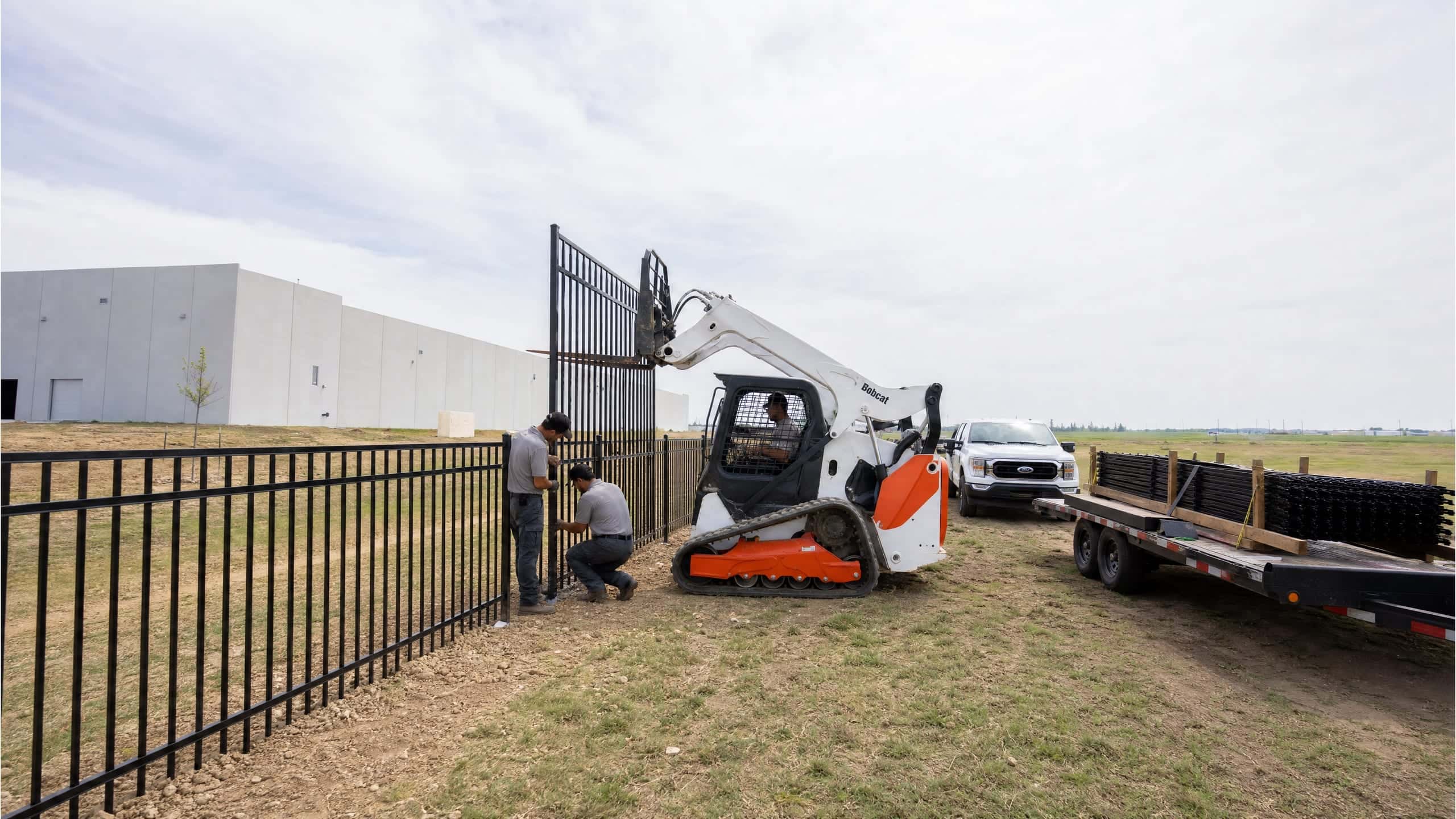
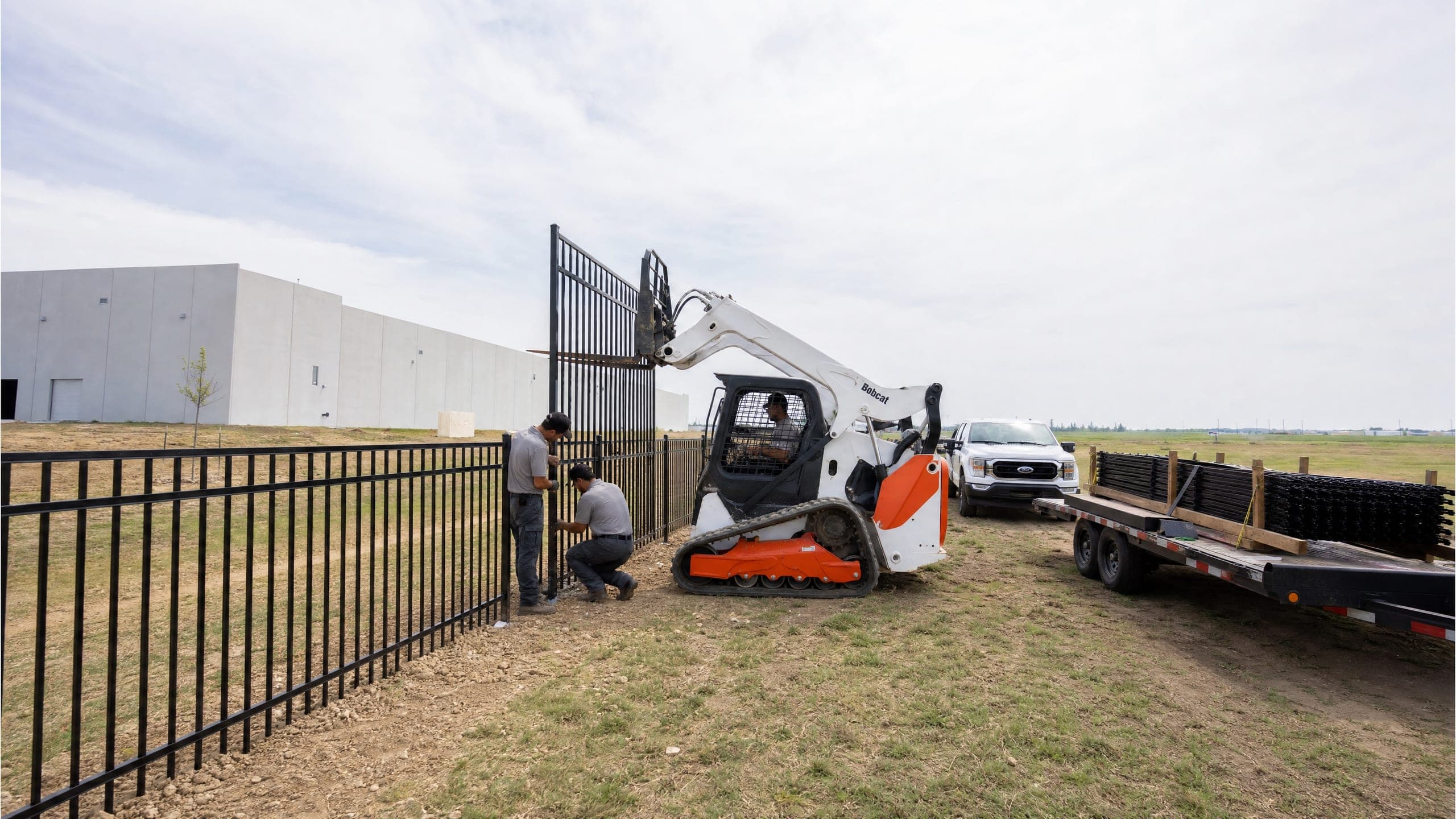
Ornamental steel panels going up along a Texas industrial campus

A fence subcontractor almost never costs a general contractor money on the bid line. The cost shows up in the last two weeks of a job, when the fence is the only thing standing between a finished building and a certificate of occupancy. So the screen a GC runs should test for schedule risk first, and treat the low number as the last thing it checks.

The Fence Bid Is Not Where a GC Loses Money

The money leaks out of the schedule. 2024 single-family completions averaged 9.1 months from authorization to completion (U.S. Census Bureau, Survey of Construction, 2025), and fence work lands near the end of that run, after the slab, the frame, the roof, and the flatwork. A fence sub who slips a week does not delay the fence. He delays the closing, the release of capital, and every walkthrough you already scheduled.

Builders are running thinner while that risk sits there. Builder confidence in newly built single-family homes fell four points to 34 in April 2026 on the NAHB/Wells Fargo Housing Market Index (2026), a low-30s reading that means margin pressure on every job. Under that pressure, a $2,000 spread on a fence bid stops being interesting. Four days of carry on a finished house is worth more than the spread.

The vetting question changes with it. You are no longer asking who builds the cheapest fence. You are asking who can prove they will be on your site on the date they gave you.

Texas Never Licensed Your Fence Subcontractor

There is no state credential to check here. Texas has no statewide general-contractor, home-improvement, or fence-contractor license, and its occupational-licensing authority regulates only specific trades such as electricians and air-conditioning contractors (Texas Department of Licensing and Regulation, 2026). Any licensing that exists sits at the city or county level, which means a Texas fence sub can operate statewide with no state license at all.

That is different from how it works elsewhere, and the difference matters if you are used to a licensed market. Virginia sorts contractors into classes by contract value, with Class A covering a single contract of $150,000 or more, and North Carolina now requires a license for any project of $40,000 or more after a threshold change effective October 1, 2023. A Texas GC has no equivalent list to pull.

So verify the things that do exist. Ask for the entity name and the city registrations that apply to the jurisdiction you are building in, confirm the company is a real registered business with a physical office in that metro, and check whether it holds a permit-filing history for commercial work. In Texas, license verification proves the company exists. It proves nothing about whether it can staff your job.

What a Bond and an Insurance Certificate Actually Prove

A bond protects your project from the sub’s failure, and insurance protects it from the sub’s crew. Neither one predicts performance. They cap what a failure costs you after it has already happened, which is why they belong on the screen early and near the bottom of the weighting.

Federal contracts over $100,000 require both a performance bond and a payment bond under the Miller Act. On private commercial work the requirement is yours to set, and on a fence scope it is usually worth setting once the subcontract value gets large enough that a walk-off would cost you real days.

Term What it covers What to ask for
Performance bond Finishing the fence scope if the sub walks off or fails A bond amount tied to the fence subcontract value
Payment bond The sub’s suppliers and labor, so liens stay off your job Proof of the bond before the first material drop
General liability Damage the crew does to property other than the fence A certificate naming your project as additional insured
Workers’ compensation Injury to the sub’s own crew while on your site A current certificate listing the coverage, checked by date
Certificate of insurance Proof the liability and workers comp coverage is live today A copy issued straight from the carrier or agent

One habit saves arguments later. Get the certificate from the carrier or the agent, with dates you can read, and re-pull it at renewal. A PDF the sub emails you in March may have lapsed by the time your fence line goes in.

Ask Commercial References the Four Questions a Bid Sheet Skips

References only help when you ask them about dates. Most reference calls ask about quality, and every fence sub with a phone can produce three customers who liked the fence. Ask instead about the week the plan broke, because that is the week your job will have too.

Ask the reference A pass sounds like A fail sounds like
Did they start on the date they gave you? “They said Tuesday and they started Tuesday.” “They were great once they finally showed.”
What happened when a crew did not show? “A second crew was there the next morning.” “We waited on the one guy for a week.”
Who called you when something changed? “The salesman called before we even noticed.” “We found out at the walkthrough.”
How much footage, over how many phases? A linear-foot number and a phase count “A few jobs here and there”

Ask for commercial references specifically, and ask for footage. A shop that has installed 800 feet of residential privacy fence at a time has not proven it can run 6,000 feet of perimeter on a data center site with an inspection date attached. Two of the four questions above are about redundancy, and that is deliberate.

But Crew Depth Is What Absorbs a Missing Day

Crew depth is the one line a paper credential cannot stand in for. The skilled-labor shortage already costs single-family builders $10.8 billion a year, split into $2.663 billion in higher carrying costs and $8.143 billion in lost production (Home Builders Institute and NAHB, Fall 2025 Construction Labor Market Report). Carrying cost is the number that accrues every day a finished house waits on a trade. It is the exact bill a short-staffed fence sub hands you.

The trades are built small, which is why this happens so often. About 599,000 specialty-trade-contractor establishments in the U.S. employ roughly 5.26 million workers, fewer than ten per establishment on average (U.S. Bureau of Labor Statistics, Quarterly Census of Employment and Wages, 2025). A one-to-three-crew shop has no bench. When a crew has a truck down, a sick day, or a better-paying job across town, the shop does not have a second crew to send. It has an apology.

Three things to establish before you award the scope:

  • Crews in the metro you are building in, not company-wide. A sub with depth in Houston and a single crew in Austin is a single-crew sub on your Austin job.
  • What happens on a missed day, in writing. Ask who reassigns the work, and by when. A real answer names a person and a next-morning window.
  • Whether the crews are theirs or brokered. A sub who brokers your scope to a shop you never vetted has moved your risk somewhere you cannot see it.

We run over 100 crews across Texas, with 25 to 30 in Houston and 5 to 15 in every other market, which is how more than 2 million feet of fence and over 20,000 projects got finished in the last twelve months. The point of that depth is boring and it is the reason it exists: a crew missing a day never stops a job.
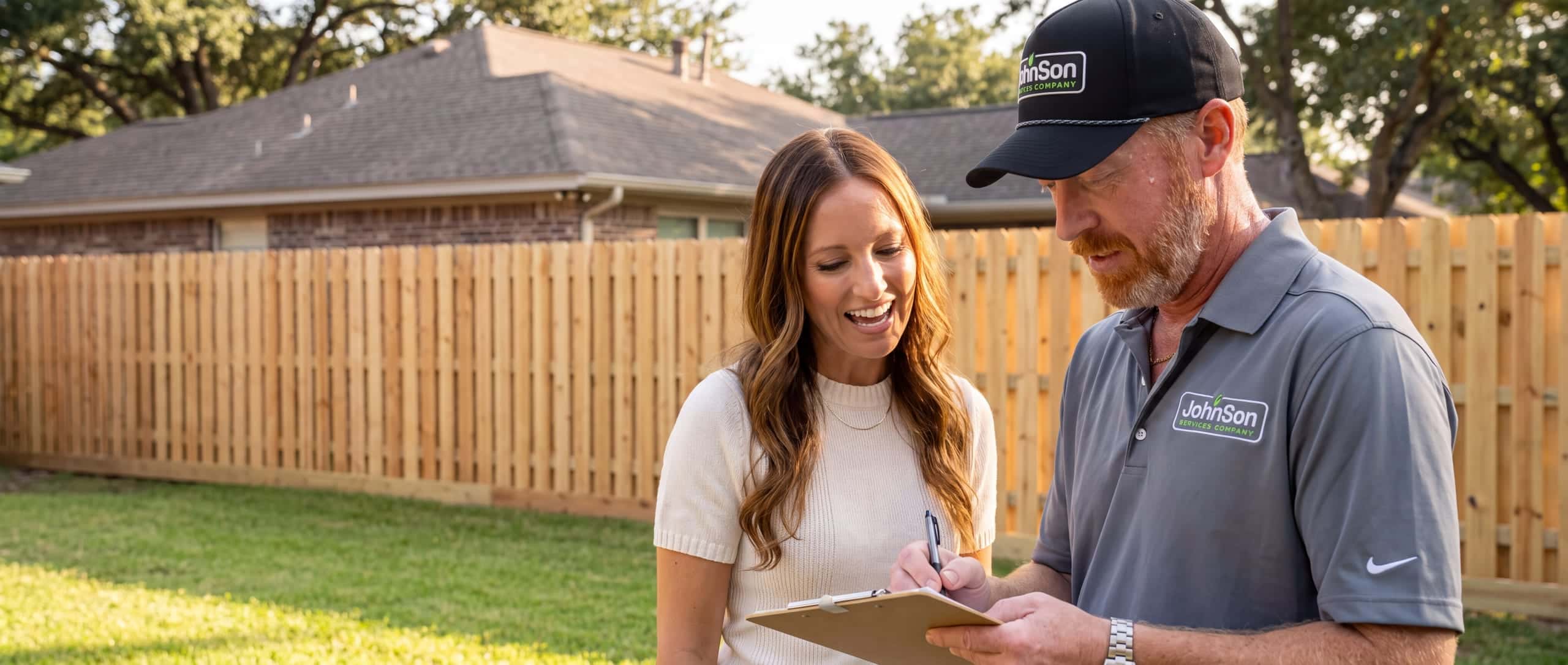
A Johnson estimator writing a fence quote on a clipboard beside a homeowner.

Price a fence before you call

See what a fence costs before anyone quotes you.

Pick the material, the height and how many feet of fence, and the calculator shows the market range for a fence like yours in Texas. Then a salesperson measures the real one in your yard and the number comes back the same day.

The estimate is free and there is nothing to sign.

Score Every Fence Bid on the Same Four Lines

Weight the screen by what your specific job punishes. A rolling subdivision punishes thin staffing over months, while a single perimeter with a hard inspection date punishes slow quoting and slow starts. Here is how the weighting shifts by job type.

Your job Weight first Disqualifier
Production subdivision, rolling phases Crews available in that metro every week for months One crew covering every phase
Single commercial perimeter, hard CO date Same-week start, plus a named site contact A quote that arrives after the deadline you set
Data center or substation perimeter Footage capacity, UL325 gate operator work, OSHA training No commercial fence job over 5,000 feet in the file
Storm rebuild across two metros Offices and crews in both metros Scope brokered to a shop you never vetted

There is research behind running the screen this way. A peer-reviewed optimization model argues that contractors should stop awarding each trade to the lowest bidder in isolation and instead weight the whole subcontracting plan against cost, duration, quality, and safety together (ASCE Journal of Construction Engineering and Management, 2025). Awarding trade by trade on price is what produces the schedule you cannot hold.

So Redundancy Belongs at the Top of the Screen

The fence is the last thing between your building and its certificate of occupancy, so the sub who installs it should be screened for staying power before price ever enters the conversation. Licensing tells you the company exists. Bonding and insurance cap the damage. References tell you what happened the last time the plan broke.

Crew depth is the only line that tells you what happens on the day something goes wrong on your job. Put it at the top of the sheet, and let the bid number break the tie between the subs that already passed.

How Texas Fence Subcontractors Compare on Crew Depth and Coverage

A GC awarding fence scope is choosing between shops that all install a good fence and differ enormously in what happens when one crew goes down. Here is one established contractor from each of the four metros we work, compared on published crew depth, geographic coverage, and commercial scope.

Company Crews in the field Metros served Commercial scope published
Johnson Services Company Over 100 crews, 25 to 30 of them in Houston Houston, Dallas-Fort Worth, Austin, San Antonio (42 cities) 10 commercial fence lines plus entrance gates and UL325 operators
Texas Fence 20-plus crews and 30 full-time staff Houston metro only Commercial fencing, driveway gates, access control
Quality Fence & Welding No crew count published San Antonio and South Texas 29,000 square foot steel fabrication shop, gates and access control
Austex Fence & Deck No crew count published Austin and Central Texas Fencing plus decks, pergolas, porches; materials showroom
Kodiak Fence Company No crew count published North DFW towns including Lewisville, Argyle, Denton Fencing, staining, and repair; licensed and insured with a workmanship warranty

Frequently Asked Questions

How many crews does a fence subcontractor need for a 40-home subdivision phase?

Enough to keep a crew on your site every week the phase is releasing, plus at least one to spare. A single crew averaging one backyard fence a day cannot cover a phase releasing eight homes a week, and the moment that crew has a truck down, your fence line stops.

Should I require a performance bond on a fence subcontract?

Require one once the fence subcontract is large enough that a walk-off would cost you real days on the schedule. On federal work over $100,000 both a performance and a payment bond are required under the Miller Act, and on private commercial work the threshold is yours to set in the subcontract.

What should a fence sub’s certificate of insurance list?

General liability with your project named as additional insured, and workers’ compensation covering the crew that will be on your site. Pull the certificate from the carrier or agent with readable effective dates, and pull it again at renewal rather than trusting a PDF from six months ago.

How fast should a commercial fence subcontractor return a quote?

Same day for a rough number, and within days for a measured quote after a site walk. We give a rough estimate over the phone from the address and get a quote out the same day on 95% of real leads, which is the pace a bid deadline actually requires.

Does a commercial fence in Texas need a permit?

It depends on the city and the material. Houston requires a building permit only when a fence exceeds 8 feet above grade or is built wholly or partly of masonry or concrete, in which case a permit is required at any height (City of Houston, 2026). We determine whether a commercial project needs one and file it.

How do I check commercial experience if the sub mostly does residential work?

Ask for linear footage on the three largest commercial jobs they have finished, plus the GC contact on each one. Footage and a phase count are falsifiable in a way that a photo gallery is not, and a sub whose commercial file tops out under a few thousand feet will find your perimeter job out of range.

What warranty should a commercial fence subcontract include?

At minimum a written one-year warranty on material and craftsmanship, with the remedy spelled out. We carry a one-year material and craftsmanship warranty, and we do not get warranty callbacks on completed residential work.

How Johnson Services Company Holds a Fence Schedule With Over 100 Crews

Everything above comes down to whether the fence sub can absorb a bad day without handing it to you, and depth is how we do it: over 100 crews across Houston, Dallas-Fort Worth, Austin, and San Antonio, where most fence contractors run one to three. We are rated 4.9 stars across 60 Google reviews. In a Google review, Adam K. wrote: “Johnson Service Co went above and beyond to complete the scope of work we agreed on. I have been a builder for over 20 years and I would highly recommend this company to any clients, friends or family.”

We came up doing homebuilder backyard privacy fencing for national builders including D.R. Horton, LGI, Lennar, and Pulte, which taught us the part GCs care about: the fence is the last trade before a home can close. So we measure every job and load materials and crews before anyone leaves the yard, quote the same day on 95% of real leads, and start work within about four days of an accepted quote. Most jobs finish the same day they start. In a May 2026 Google review, Jess C. wrote: “Awesome high quality workmanship and timely.”

Depth is also what makes our quality record possible to hold, not just claim. Last year, across more than 20,000 completed jobs, we logged zero craftsmanship warranty callbacks; a 100% record. That is not a target we are working toward; it is what already happened, job after job, crew after crew, across four metro areas. It is the reason a GC can put us on the schedule next to the framer and the electrician and not think about the fence again until it is done.

Price does not have to be the thing you give up for that. Master Halco named us its Largest Volume Customer for 2026, for both the Southwest Region and the World, and we buy wood pickets at a price smaller shops cannot get and pass it through. We also quote the picket grade by name, #1 through #3, so the spec you compare is the spec you get.


Johnson Services Company is the fence sub built so a missing crew never becomes your missed certificate of occupancy. Send us the plans and the dates, and we will walk the site and get you a measured quote; the estimate is free.

See how Johnson schedules commercial fence work →

Free estimate

Get your estimate from the largest fence company in Texas

Tell us what you need and where the fence goes, and a salesperson will come out and measure the line before anyone writes a number. You get the picket grade and the total in writing, the visit costs nothing, and there is nothing to sign.

Call (877) 956-4676

Monday to Friday, 7am to 4pm.

What kind of fence?
Which part of Texas?
Roughly how much fence?
How did you hear about us?
  • Free on-site estimate
  • Same-day quote
  • Nothing to sign
  • Work starts in about 4 days