
Design your fence
Step 1 of 4
Design your fence
A fence that fights the house is the expensive kind of mistake, because nobody tears one out over looks. Seeing the style against a house like yours settles it before the crew comes.
Eleven Texas house styles, and the fence each one asks for
Almost every home in the four metros lands in one of these eleven, from a Cypress new-build to a Magnolia ranch. Find yours and the fence choice narrows from twenty designs to about three.
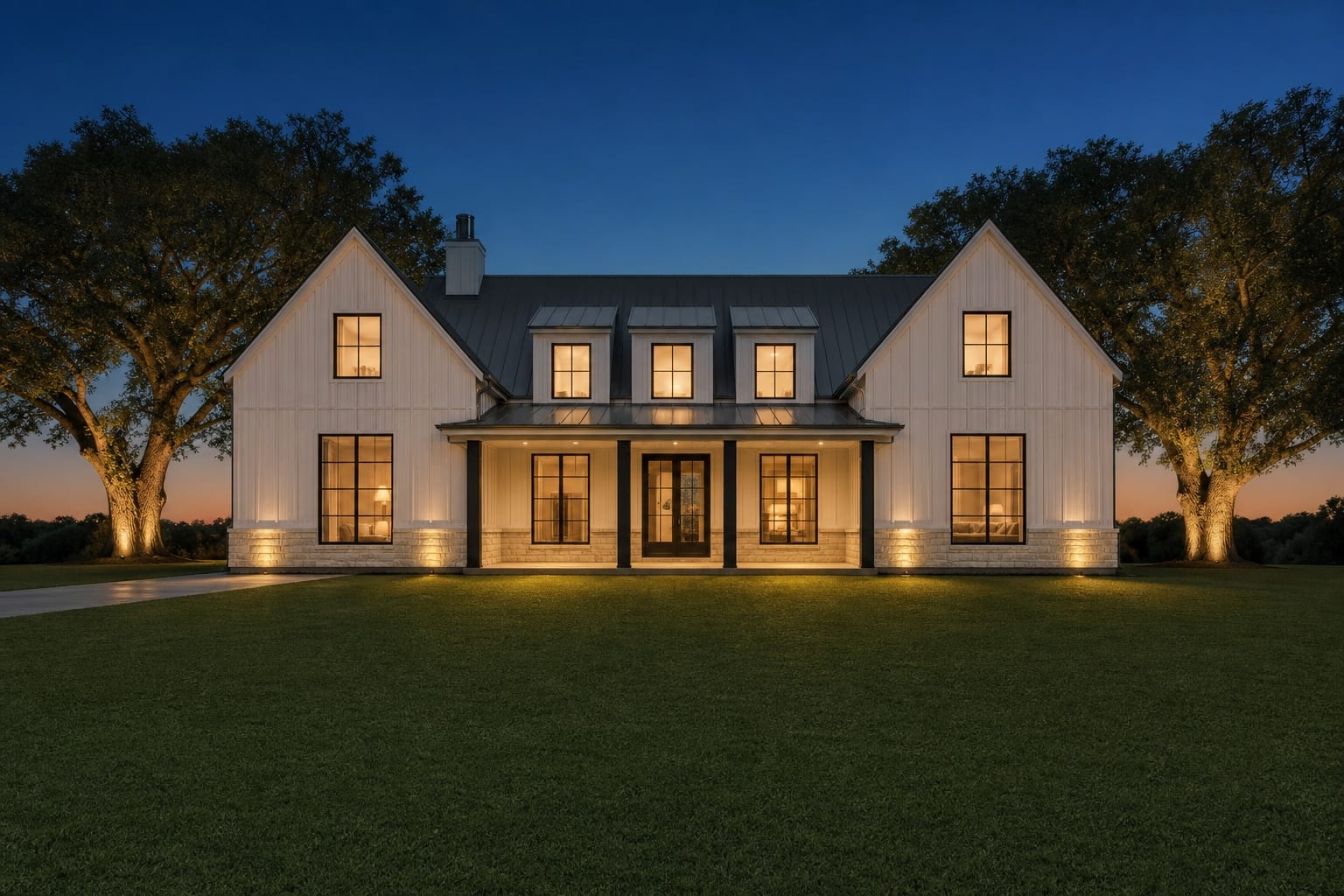
Modern farmhouse
White board and batten siding, black window frames, a standing seam metal roof. The trim already runs high contrast, so a fence with its own strong lines belongs. Horizontal cedar in a black steel frame reads as part of the house. Heavy ornament fights it.
Hill Country limestone
Chopped native stone, a metal roof, deep set windows, common from Austin west. The house is masonry already, so limestone piers between cedar bays carry the same material to the street. Plain wood with no stone in it looks like a cheaper afterthought beside those walls.
Red brick traditional
Symmetrical brick, white trim, black shutters, a formal entry. Old Dallas and old Houston are full of them. Ornamental iron suits this house because the house and the iron both expect upkeep, and iron panels between brick pillars match without copying.
Contemporary stucco and glass
A flat roof, smooth stucco, tall glass across the ground floor. Every line on this house is straight and unbroken. Horizontal slats and cable rail hold that line. Pickets and lattice break it.
Spanish and Mediterranean revival
Cream stucco, a barrel clay tile roof, arched openings, at its thickest in San Antonio. Wrought iron has partnered this style for centuries. A low stucco wall with iron inserts reads as original to the house rather than added later.
Mid-century brick ranch
Long, low, one storey, with wide horizontal windows and deep eaves. The house sits close to the ground, so an eight foot privacy fence swallows it. Horizontal slats at the same low proportion suit it, and the address numerals go on the fence the way they go on the house.
New-build suburban
Two storeys, a brick and stone front, a garage set forward, on a lot where the neighbour is close. This is the most built house in Katy, Cypress and Cinco Ranch, and the one Johnson fenced by the neighbourhood for two decades. The HOA usually decides the height, the material and which side the finished face goes on, so read the rules before the catalogue.
Working ranch house
Long and low on open acreage, with a metal roof, stone and board and batten walls, and a porch across the front. Privacy is not the job here. The fence marks a boundary, holds stock, and takes a vehicle gate, so ranch rail and pipe do more than cedar would.
Craftsman bungalow
A low gable, deep eaves with exposed rafter tails, and a porch on tapered columns set on brick piers. The Heights, the M Streets and Hyde Park are full of them. The detail is already wooden and handmade, so a painted picket or a plain cedar fence belongs and vinyl does not.
Tudor revival
Steep cross gables, half timbering in the upper gable, brick and stone below, an arched door. Lakewood and West University hold most of them. The house is storybook formal, so ornamental iron between brick piers suits it and a flat modern slat fence fights it.
Gulf Coast raised home
The living floor sits a full storey up on piers, with parking underneath and stairs to the entry. Clear Lake, Kemah and Galveston build this way because the water decides it. The house is already tall, so a low open fence keeps the proportion and a solid eight foot fence makes the piers look like stilts.
Materials
The national builders bought these first
Homebuilder work is the foundation of this company. Johnson fenced whole new subdivisions for D.R. Horton, Lennar, LGI and Pulte. A builder buys the same fence a homeowner does, hundreds at a time, and audits every one.
Wood Fences
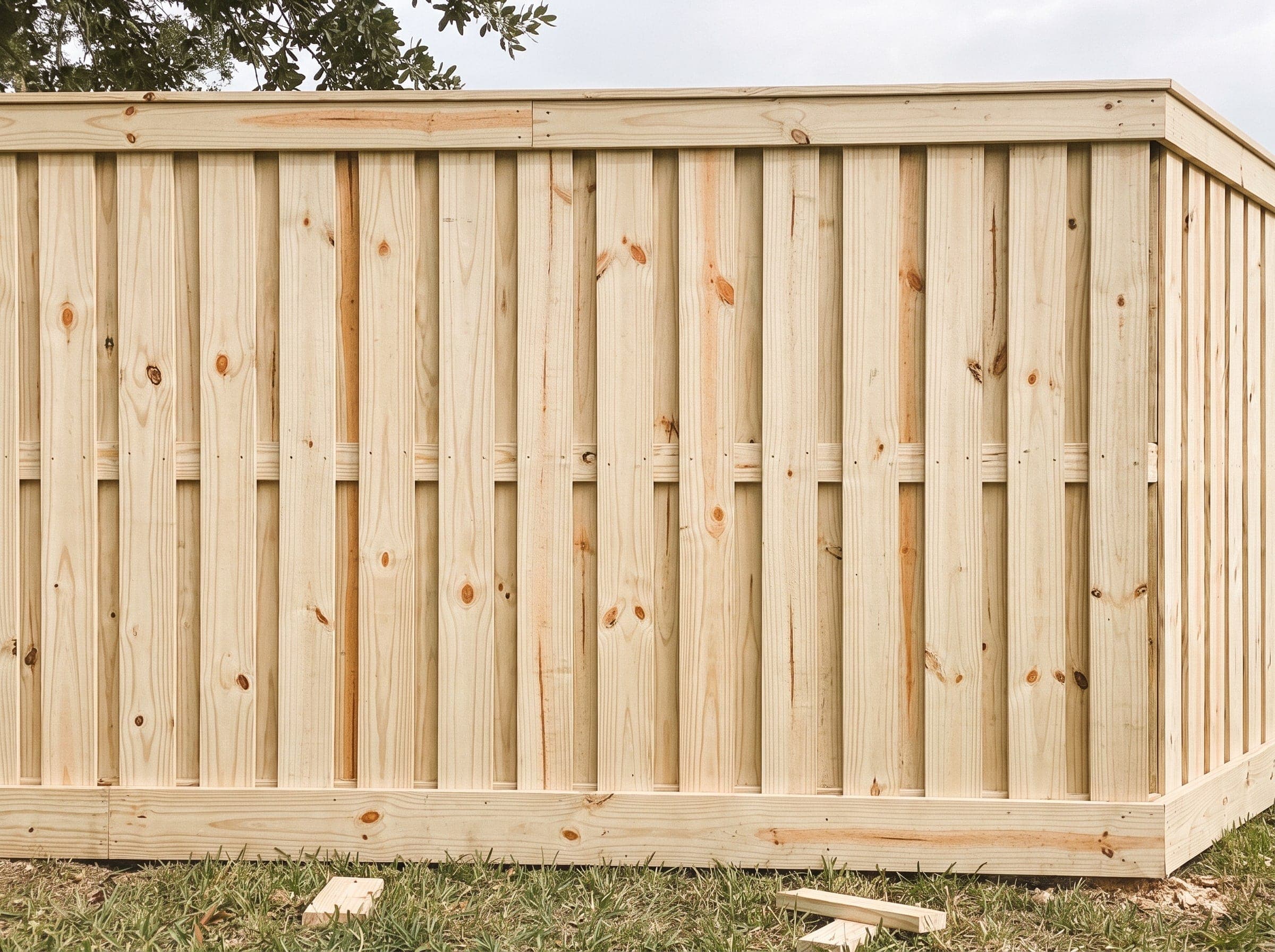
Cedar and pressure-treated pine, the standard Texas replacement fence.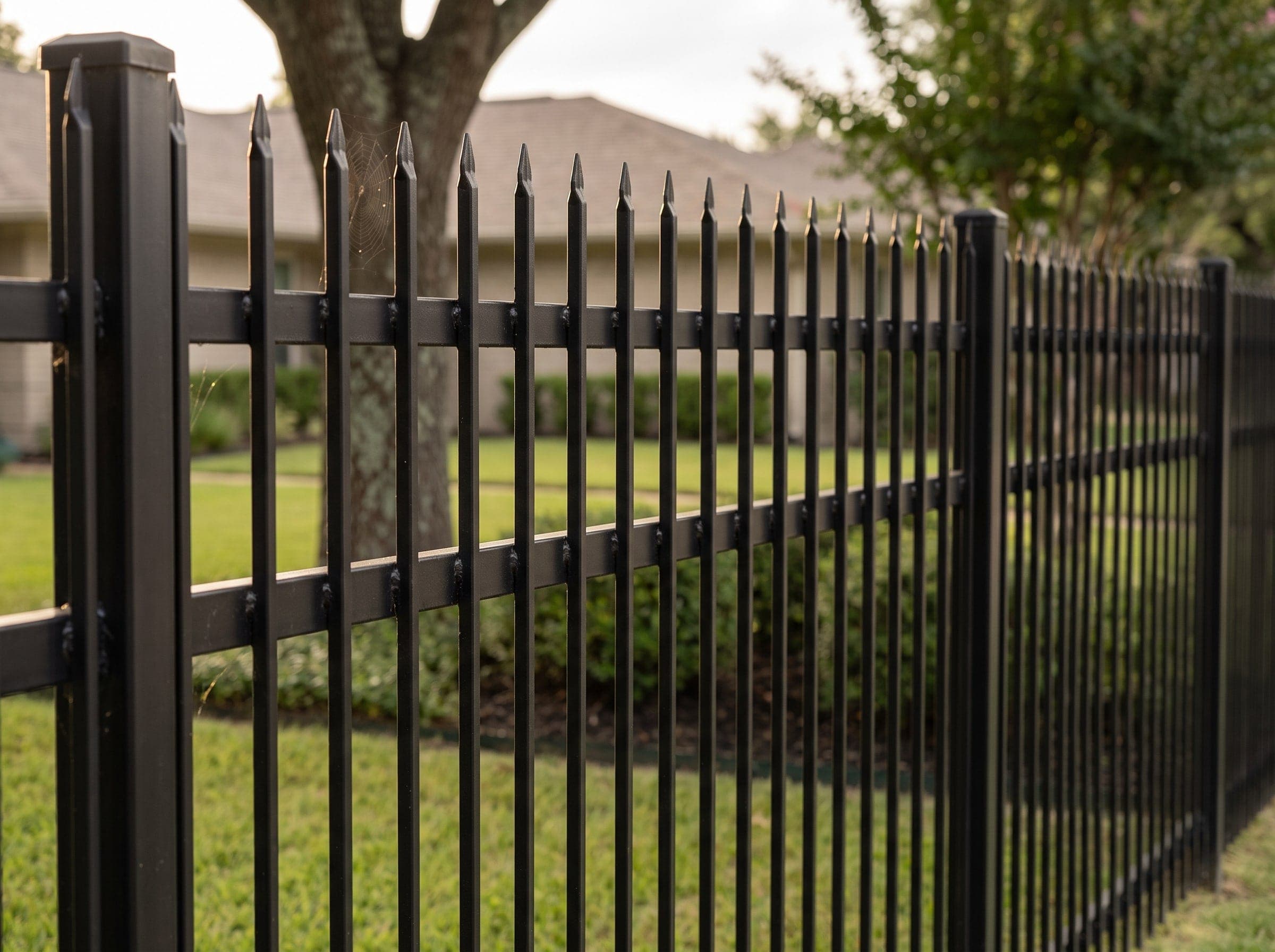
Iron and Aluminum Fences
Ornamental steel and aluminum, for sightlines, pools and front elevations.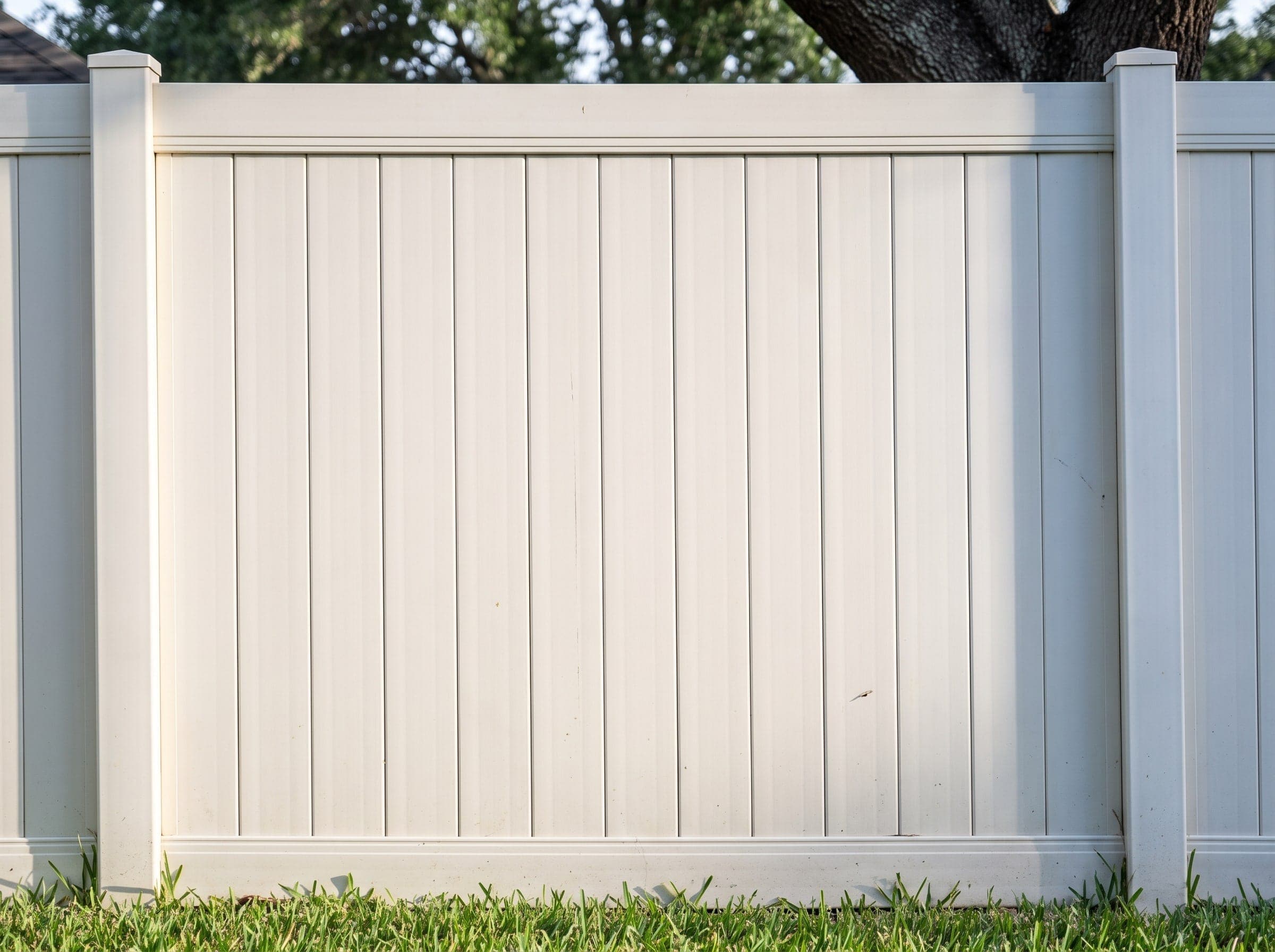
Vinyl Fences
PVC panels, no staining cycle, for owners buying out of maintenance.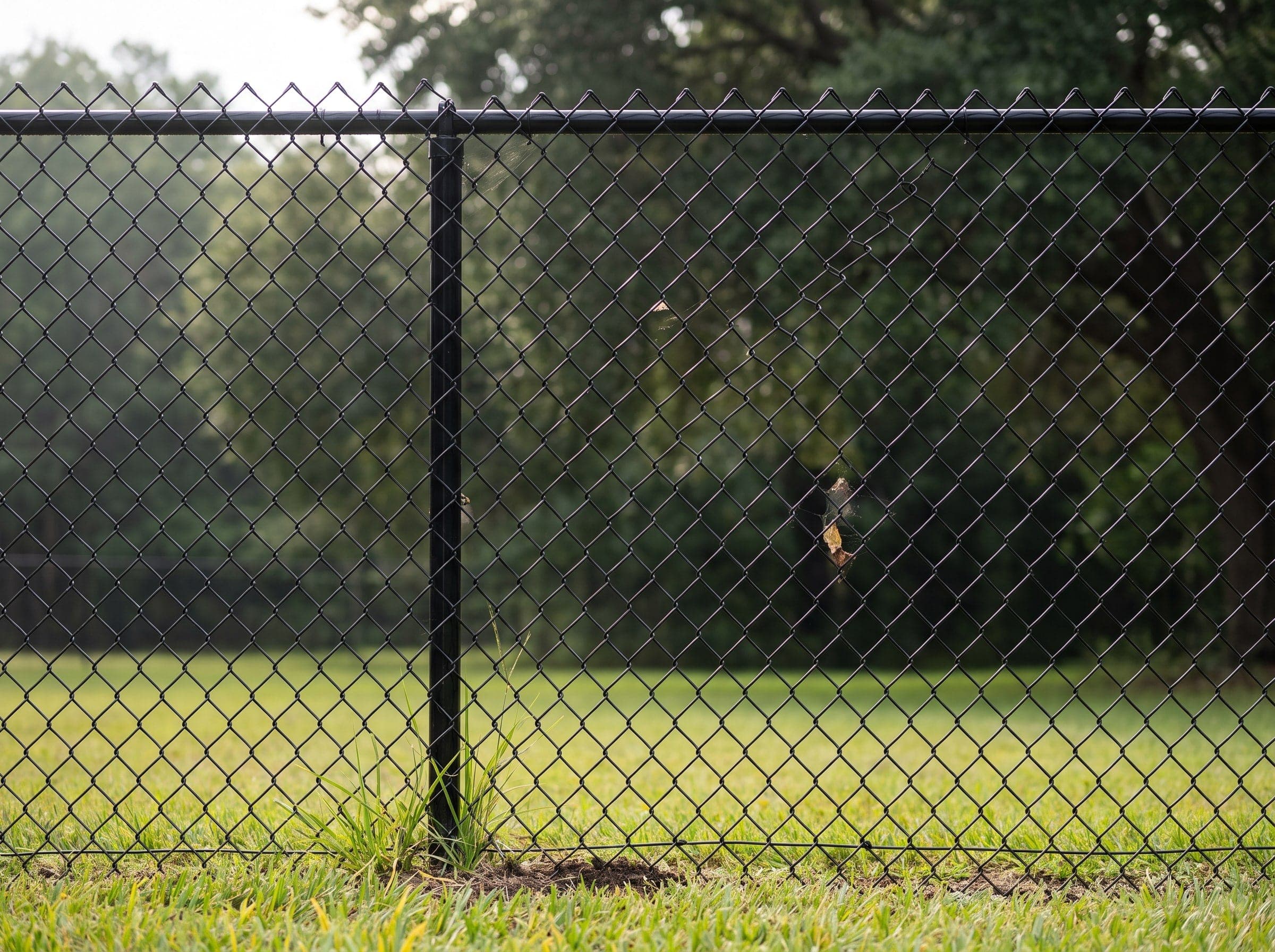
Chain Link Fences
Galvanized and vinyl-coated mesh, the working perimeter.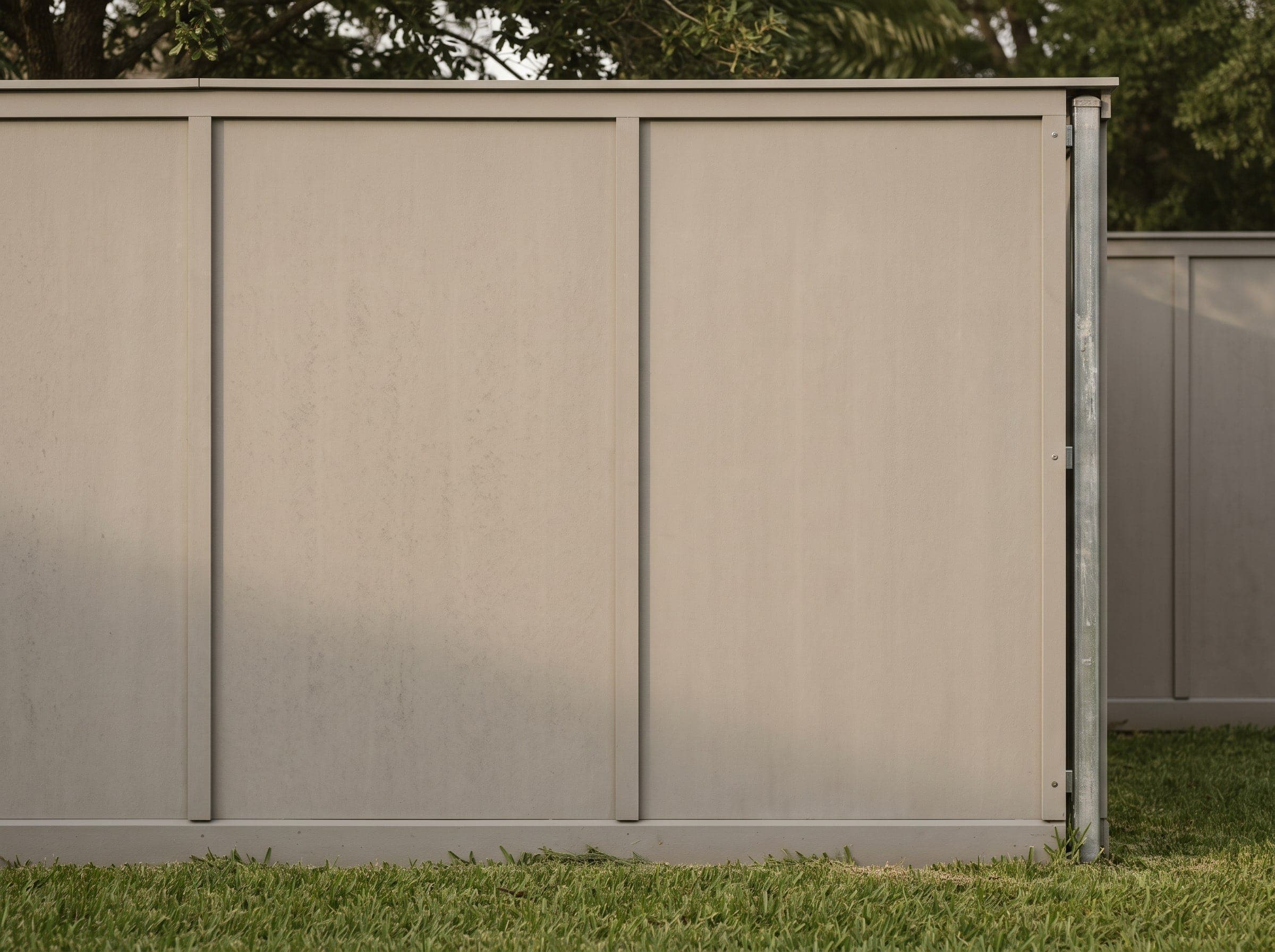
Fiber Cement Fences
Cement board panels termites cannot eat and rot cannot reach.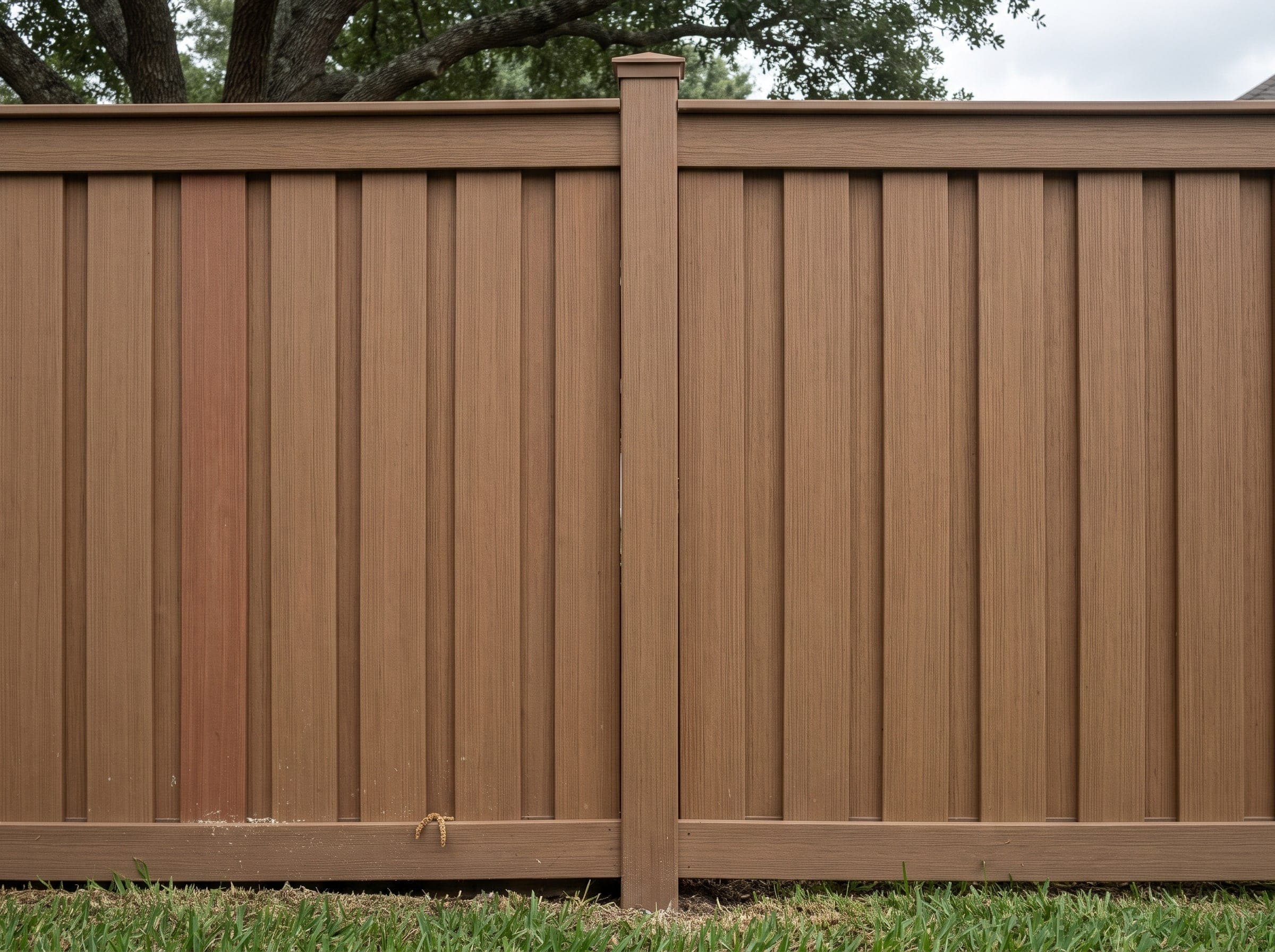
Composite Fences
Wood-plastic composite rated to ASTM D7032.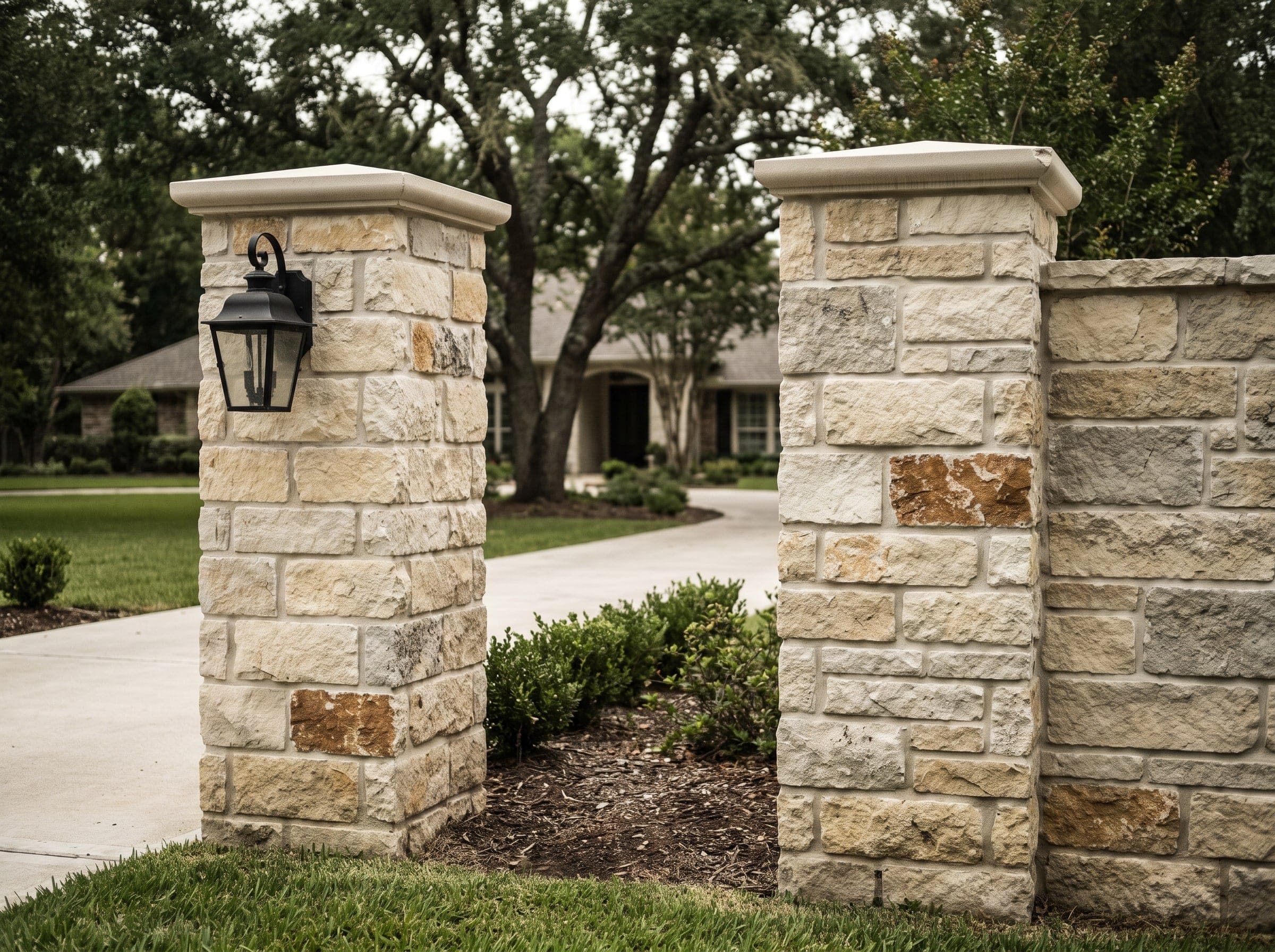
Brick and Stone Fences
Masonry walls and columns, built to TMS 402 and weathering-graded units.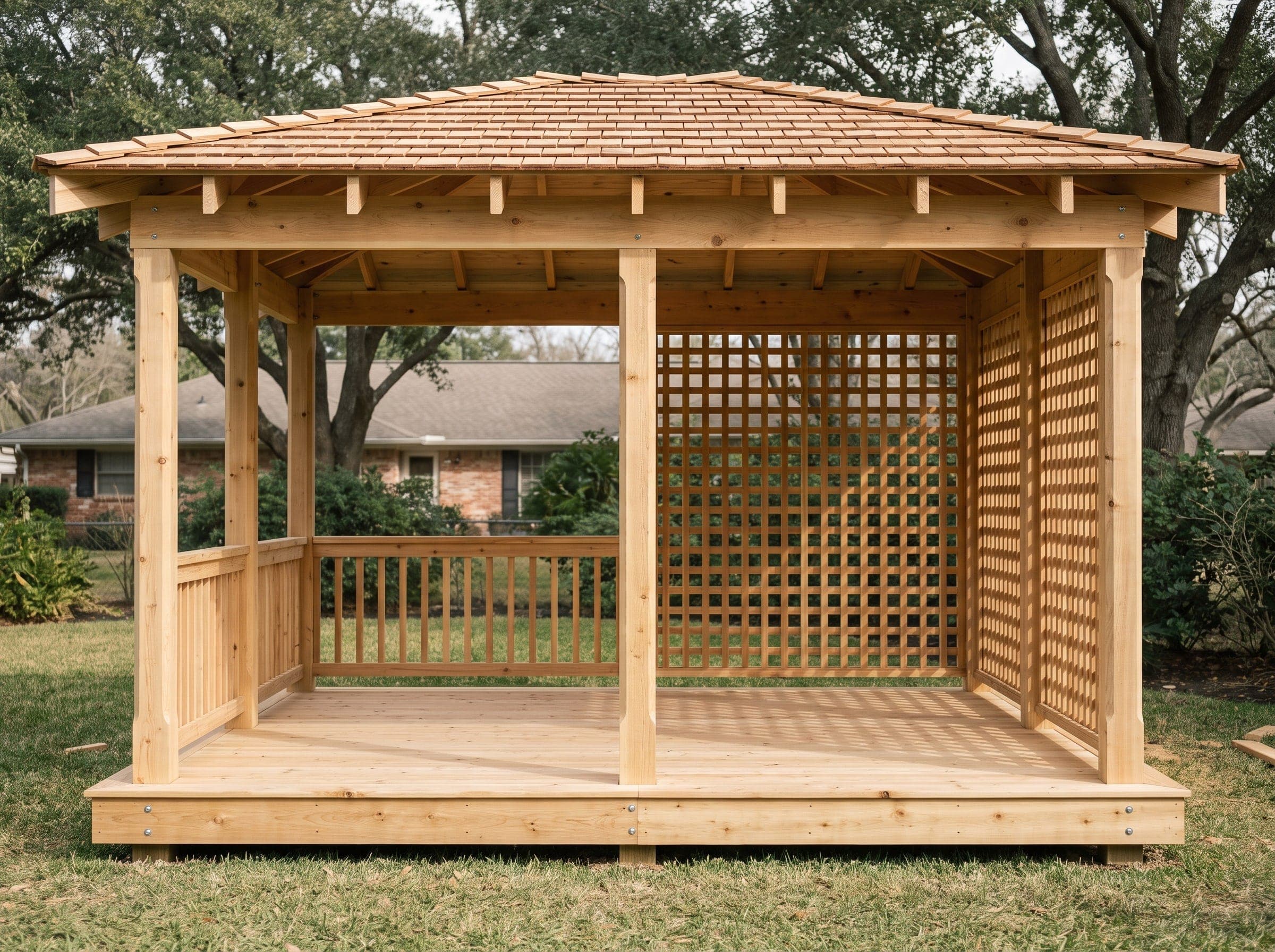
Decks, Gazebos and Trellises
Outdoor structures built alongside the fence line.
Five decisions, not twenty
The twenty designs in the tool come down to five real choices. Pick the family first and the rest is finish.
Wood privacy
Board on board, board and batten, shadowbox, and cap and trim. Cedar or pressure treated pine, six or eight feet, a solid face. This is the fence most Texas back yards get, and the one Johnson buys more wood for than anyone in the state.
Wood between masonry
Cedar bays set between limestone or brick piers. The piers do the standing and the wood fills between them. It costs more than wood alone on the day, and the piers outlast the boards by decades.
Ornamental iron
Spear top, flat top, and pool code spacing. Iron shows the yard instead of hiding it, which is why it belongs on a front elevation and around a pool. Texas pool barriers carry their own spacing and latch rules, and a pool code fence meets them.
Low maintenance
Vinyl, composite and fiber cement panel. None of them take a stain cycle. They cost more on install day and then ask for a hose twice a year and nothing else.
Open and rural
Ranch rail, cable rail, and black vinyl coated chain link. These mark a boundary without blocking a view, which is what acreage and a Hill Country view lot need. Black chain link against a tree line nearly disappears.
What goes with what, on the houses Texas actually builds
| House style | Fence that suits it | Why |
|---|---|---|
| Modern farmhouse | Horizontal cedar in a black steel frame | Matches the black window frames and keeps the same straight lines. |
| Hill Country limestone | Cedar bays between limestone piers | Carries the house's own stone out to the street. |
| Red brick traditional | Iron panels between brick pillars | Formal against formal, and the brick already sets the colour. |
| Contemporary stucco and glass | Horizontal slats or cable rail | Holds the flat line of the house and keeps the glass visible. |
| Spanish and Mediterranean revival | Stucco wall with wrought iron inserts | The traditional partner for this style, and the arch shape repeats. |
| Mid-century brick ranch | Horizontal cedar slats, six feet | Stays low, so the long roofline still reads from the street. |
| New-build suburban | Board on board cedar, six feet, finished face out | What most HOA standards already name, so it passes review. |
| Working ranch house | Two-rail ranch or pipe, with a vehicle gate | Marks a long boundary and takes a truck through it. |
| Craftsman bungalow | Painted picket, or plain cedar | The house is handmade woodwork already, and vinyl reads wrong beside it. |
| Tudor revival | Iron between brick piers | Formal enough for the gables, and the brick is already on the house. |
| Gulf Coast raised home | Low open picket or cable rail | Keeps the proportion of a house that already stands a storey up. |
| Any house, back yard | Board on board cedar with cap and trim | Privacy at the best price in the state, and the cap hides the picket ends. |
| Acreage or a view lot | Ranch rail or cable rail | Marks the boundary and leaves the view alone. |
The house decides more than the budget does
A stone pier reads right in front of limestone and wrong in front of a stucco box. Ornamental iron pairs with brick because both are formal builds that expect upkeep. A plain cedar fence goes almost anywhere, which is why it still outsells everything else in Texas.
The clearest tell is your own front door. A house that dresses up its entry usually wants a fence that does the same, a gate with real hardware, a lantern, a name plate. A house that keeps its entry plain is usually happier with a fence that stays out of the way.
Height is the second decision, and an ordinance often makes it for you. Most Texas cities cap a front yard fence near four feet and allow eight in the back. Houston asks for no permit on a wood fence under eight feet. A pool changes the rules again, because the barrier spacing and the self closing latch are code rather than taste.
Material is the last decision, and it is really a maintenance decision. Cedar wants a stain every two to three years and looks best bare. Vinyl and composite skip the stain and cost more on the day. Masonry outlives all of it and needs repointing at about fifty years.
Measure the fence line first. Length moves the price more than style does.
Read the HOA rules. Plenty of Texas associations name an approved height, material and finished face.
Decide privacy or sightline before material. Solid wood hides the yard and iron shows it.
Look at both neighbours. A fence that ignores the street is the one people notice.
Ask what the posts are. Posts decide how long a fence stands, and the face only decides how it looks.
Questions about fence styles
What is the most popular fence style in Texas?
Six foot board on board cedar, by a wide margin. It gives a solid face, it stays private as the wood shrinks, and cedar handles Texas heat better than pine. Cap and trim is the common upgrade on it.
What fence style suits a modern farmhouse?
Horizontal cedar slats in a black steel frame. The black matches the window frames most of these houses carry, and the horizontal lines match the siding. Ornate iron tends to fight the style rather than suit it.
Does a fence have to match the house?
No, but it should not argue with it. The reliable test is material: stone with stone, iron with brick, plain cedar with almost anything. A fence looks wrong when it borrows a formality the house never had.
Is the range this tool shows a real quote?
No. It is the published market range for that material at the length you typed, the same range our material pages cite. A salesperson measures your yard and gives you a firm number on the phone.
Can Johnson build a design that is not one of the twenty shown?
Yes. Several of the twenty are not in our standard catalogue yet, a stone entrance with iron insert panels, a cable rail on a view lot. A hundred crews can frame a design a smaller shop would have to turn down.
What happens after I enter my phone number?
A salesperson calls you the same day, almost always, with the house style and fence design you picked already in front of them. From there they measure your actual yard and quote it.
Free estimate
Get your estimate from the largest fence company in Texas
Tell us what you need and where the fence goes, and a salesperson will come out and measure the line before anyone writes a number. You get the picket grade and the total in writing, the visit costs nothing, and there is nothing to sign.