
The #1 fence company in Texas
How Deep a Fence Post Goes in Texas Soil
Deep enough to sit below the ground that moves, and the ground moves differently in each metro. The building code sizes the depth from the wind, the height and the soil, and the four Texas soils each set their own answer.
Same-day quotes. The estimate is free and there is nothing to sign.
- 24Years in Texas
- 20K+Fences installed yearly
- 4.9Google rating
- A+BBB rating
There is no one depth for a Texas fence post, and a bid that quotes one without asking about your yard has not looked at it. The building code sizes a fence post as a cantilever, with the depth growing with the wind and the height and shrinking with stronger soil, and it lets the soil resist over only one-third of the embedded depth. A tall solid fence on soft ground goes deep.
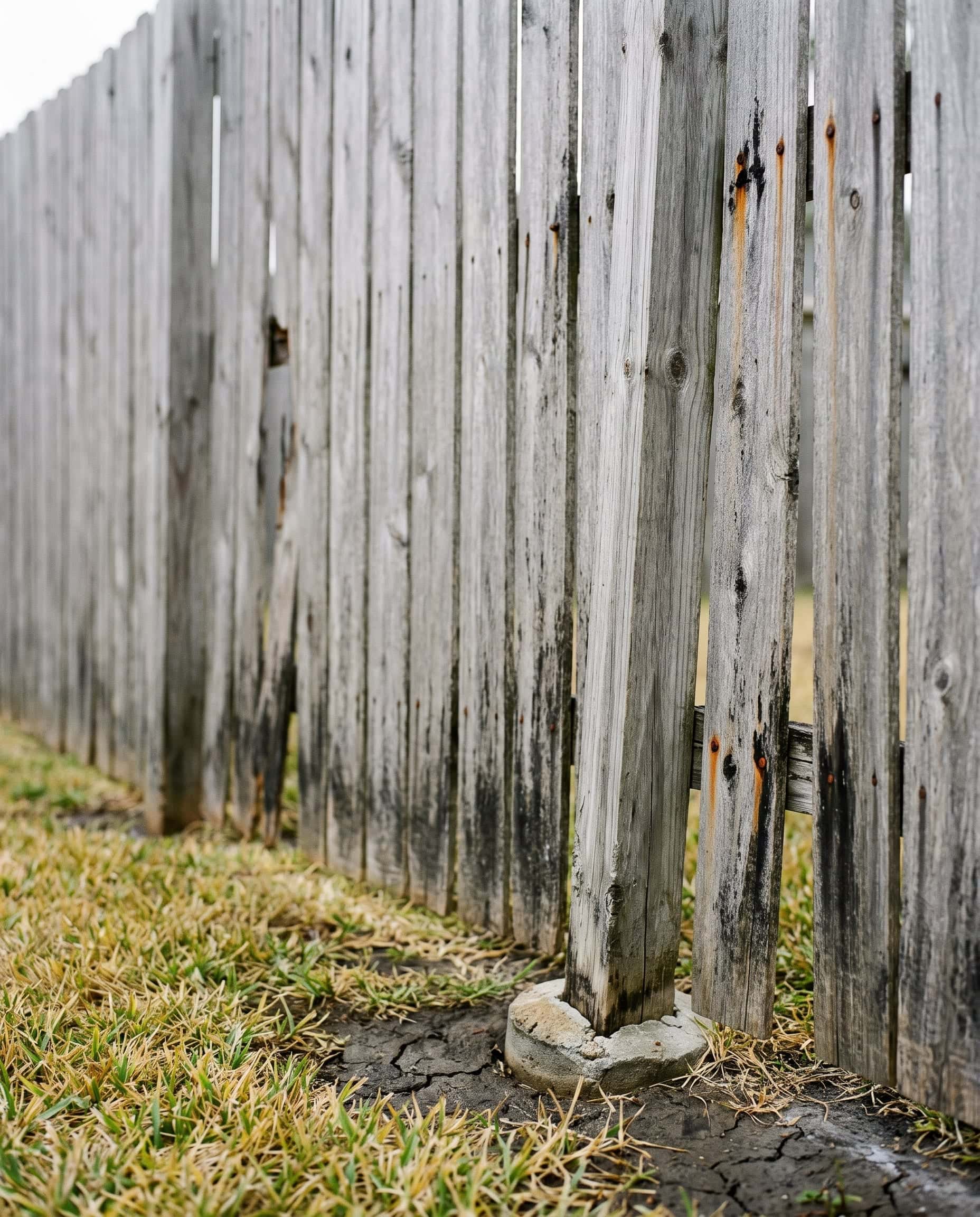
Johnson sets every post below the ground that moves, wet in concrete, to the depth the height asks for. Texas clay swells through a wet spring and shrinks through a dry August, and a post set shallow is why a fence leans three years later. Ours do not.
The depth comes from the wind, the height and the soil, not from a rule of thumb
The International Building Code sizes an embedded post from the force on it and the length of the lever the fence puts on the post. A six-foot solid fence catches nearly the full wind, and the Gulf Coast designs for gusts on the order of a hundred and thirty miles an hour, so the coast digs deeper than the Hill Country for the same fence.
A permit exemption is not an exemption from the physics. A fence under the permit line still has to stand up in the wind it will see, and the post is the only part of the fence that decides whether it does.
Gumbo clay, and a post that stops above the movement leans
Gulf Coast gumbo clay swells through a wet spring and shrinks through a dry August, and the ground lifts and drops a post that stops inside that movement every year until it leans. The hole goes below that movement and the post is wet set in concrete, and on an exposed lot near the coast it goes deeper again for the wind.
Houston sits at 77.2 on the federal wood-decay index, deep in the high band, so the post in the ground is pine with a ground-contact treatment, never cedar.
Price a fence before you call
See what a fence costs before anyone quotes you.
Pick the material, the height and how many feet of fence, and the calculator shows the market range for a fence like yours in Texas. Then a salesperson measures the real one in your yard and the number comes back the same day.
The estimate is free and there is nothing to sign.
Blackland clay, the official state soil, and the hardest on a shallow post
Blackland Prairie clay runs sixty to eighty percent clay with a very high shrink-swell rating, and it heaves a shallow post in the first dry summer. The post goes deep and sits on a footing sized for the cycle, with more concrete than a coastal hole, and a cheap bid sets it shallow because the digging is hard.
Limestone on the west side, clay on the east, two post holes in one metro
West of MoPac the Hill Country soils sit on limestone, and on the Eckrant series bedrock is four to twenty inches down. The hole ends where the rock starts and the post goes into the rock, which takes an auger and a crew that knows it, and Angi’s Austin cost page adds $200 to $1,000 to a project where the yard is rock. East of MoPac the Blackland clay decides the depth instead. Our bid names which one your yard is.
Caliche on the north side, and it wants an auger
Caliche is hard digging, and a post hole in it takes an auger and a crew that has met it before. On the east side the Blackland clay wants depth instead. A San Antonio fence dies at the post from the ground and the sun rather than from rot, so treated pine goes in the ground and cedar pickets face the sun.
Houston: below the gumbo clay that moves, deeper again near the coast for the wind.
Dallas-Fort Worth: deep in the Blackland clay, on a footing sized for the shrink-swell cycle.
Austin west: into the limestone, four to twenty inches down on the Eckrant series.
Austin east and San Antonio east: the Blackland clay sets the depth.
San Antonio north: caliche, augered.
Every post: treated pine rated for ground contact, wet set in concrete, left to cure.
Measured in your yard
A salesperson measures the fence line standing on your ground, and the quote names the depth your soil asks for.
The bid names whether your yard is clay, rock or caliche, and prices the hole that ground needs rather than discovering it on the day.
The estimate is free and there is nothing to sign. Work starts in about four days.
Customers
Twenty thousand fences last year, and not one callback
Fence didn’t budge an inch when severe storms came through the next day!
Celeste T.Google review, Houston North office, August 2025 Johnson replaced a metal fence along my back yard. They were responsive to my needs, came in a fair price and delivered as promised. The quality of the materials is excellent and the installation was seamless. i would highly recommend them.
David H.Google review, Houston North office, August 2025 I have had Johnson services first – put in a perimeter fence, then- add a front gate, then add a side gate, then recently a back gate- I have been very pleased with all of their work, their workers, their sales person, and office staff. Thank you very much!!! This is over a 3 year period- still satisfied.
Vivian B.Google review, Houston North office, October 2025
Common questions about how deep a fence post goes in texas soil
How deep should a fence post be in Texas?
Below the ground that moves, to a depth the code sizes from the wind, the height and the soil. There is no one number: a coastal clay lot and a Hill Country rock lot get different holes for the same fence, and our bid names yours.
Do fence posts need concrete in clay soil?
Yes. The crew wet sets the post in concrete and leaves it to cure, and in Blackland clay the footing matches the shrink-swell cycle. A post set dry in clay is the fence that leans in three summers.
What about frost depth in Texas?
Frost is not the problem here. The clay’s wet and dry cycle moves the ground more than any Texas freeze does, and that movement is what sets the depth.
Can you set a fence post in limestone?
Yes. On the west side of Austin the hole ends where the rock starts, which is four to twenty inches down on the Eckrant series, and an auger sets the post into it. Angi’s Austin page adds $200 to $1,000 to a project where the yard is rock, and our bid names it.
Should the post be cedar or treated pine?
Treated pine, rated for ground contact. A decades-long federal study found correctly treated wood lasting more than sixty years in the ground. Cedar goes above ground, where its heartwood resists rot on its own.
Free estimate
Get your estimate from the largest fence company in Texas
Tell us what you need and where the fence goes, and a salesperson will come out and measure the line before anyone writes a number. You get the picket grade and the total in writing, the visit costs nothing, and there is nothing to sign.