
Texas and Local

How Tall Can Your Fence Be in Texas

There is no Texas fence height. There are city codes, and one state law that sits over your HOA.

August 6, 2026

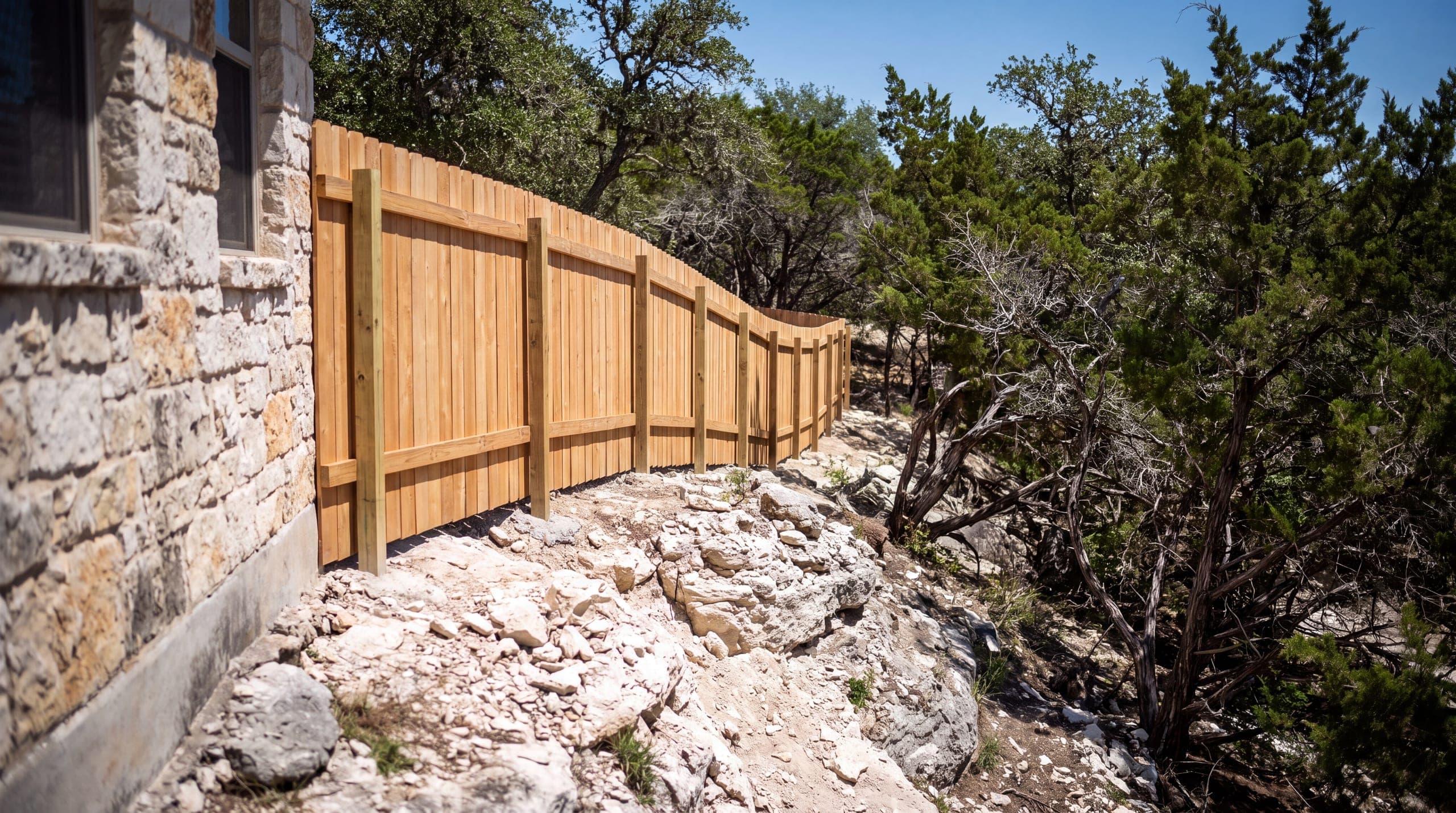
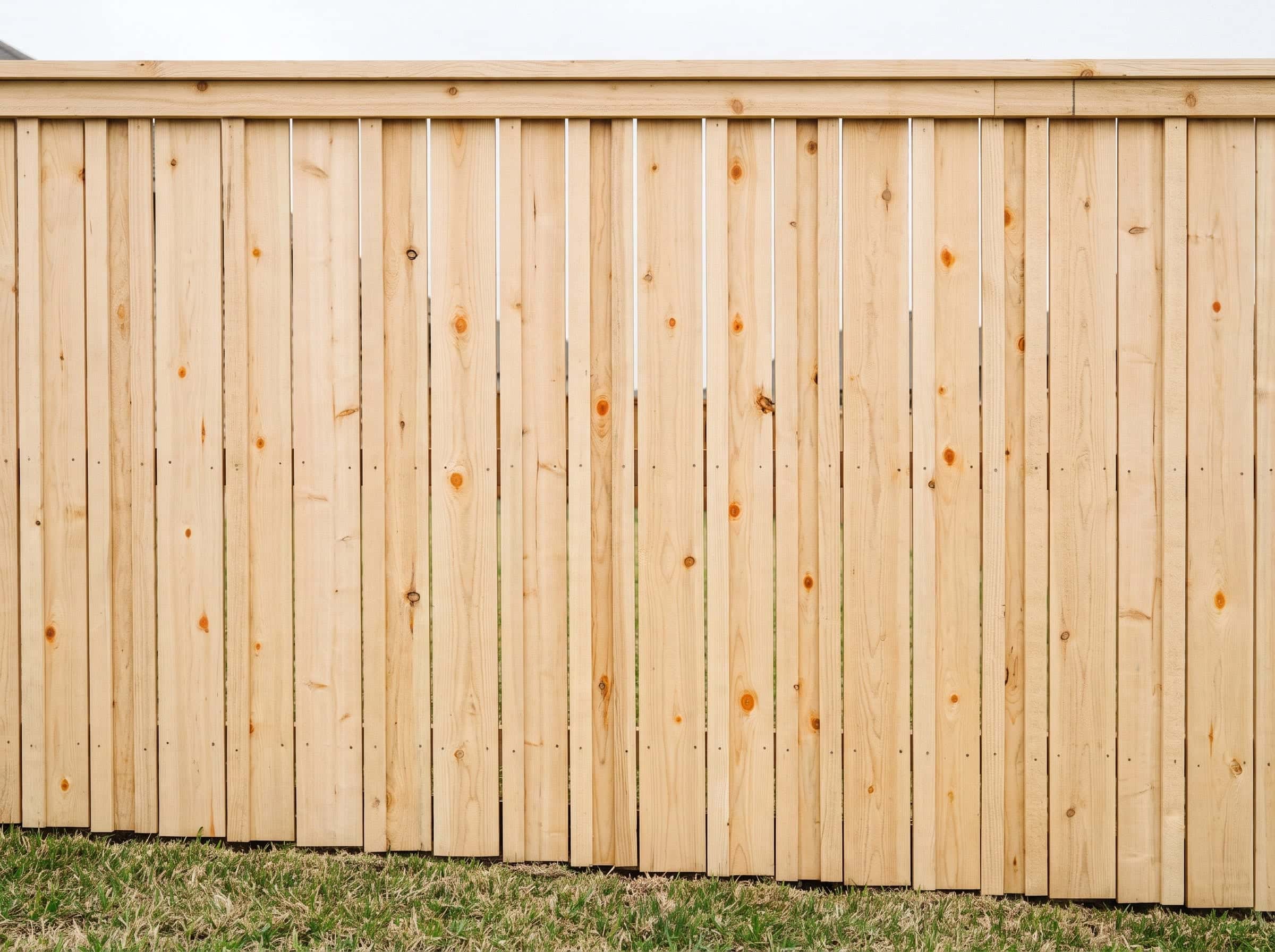
A tall cedar board-and-batten fence, a batten over every gap

There is no Texas fence height. There are city codes, and one state law that sits over your HOA. Get the layer wrong and you either chase a permit you never needed or tear out a fence you already paid for.

Texas Has No Statewide Fence Height Rule

The state does not regulate fence building at all. Its licensing authority covers about 40 occupations, and a residential fence builder is not one of them, so a fence company can work anywhere in Texas without a state license (TDLR, 2026). The number that governs your yard comes from city hall, and the four big metros do not agree with each other.

Here is how the same 8-foot cedar fence lands in each of the four metros we serve.

Metro Residential height ceiling Front-yard limit The rule that trips people up
Houston 8 feet above grade before a permit No zoning height number, but front-yard fences are reviewed against setbacks and building lines A masonry or concrete fence needs a permit at any height
Austin 7 feet permit-exempt, 6 feet for a solid fence on a property line 6 feet along a public right-of-way A lot in a floodplain needs a permit at any height
San Antonio 8 feet, with no exception granted above it 3 feet solid, 4 feet predominantly open An open front-yard fence over 4 feet needs a 20,000 sq ft lot
Dallas 9 feet in a required yard 4 feet in a required front yard A panel less than 50% open must sit 5 feet off the front lot line

Your Front Yard and Your Corner Follow Different Rules

Height is only half of the front-yard question. Most Texas codes also test how much you can see through the fence, and near an intersection they test how much a driver can see past it. Both tests can stop a fence that is legal on height alone.

A front-yard fence usually has to be open, not just short. San Antonio caps a solid residential front-yard fence at 3 feet but allows a predominantly open one at 4 feet (San Antonio UDC, 2025), so the extra foot is bought with openness rather than with a permit. Dallas comes at the same idea through placement: in single-family districts a panel less than 50% open has to stand at least 5 feet back from the front lot line, while a more open panel may come forward (Dallas Development Code, 2025). Austin drops the permit-free height to 6 feet along a public right-of-way (City of Austin, 2025). Read any of those codes as a height table and you will design a legal-height fence in an illegal style.

On a corner lot, the limit near the intersection is far lower. Texas cities carve out a sight-visibility triangle where the two streets meet and require it kept clear of anything that blocks a driver's view of cross traffic. Inside that triangle the working fence limit falls well under the backyard number, typically to a low open rail rather than a privacy panel. The reason is the driver's eye line, not your privacy, which is why the rule ignores material and looks only at what you can see through. The triangle dimensions and the clear height are set city by city, so get both in writing from your city's development services counter before the line is staked. A solid 6-foot panel carried around a corner is the most common version of this mistake, and it comes out at the owner's cost.

In Houston, the front yard is reviewed even when nothing needs a permit. Houston has no zoning, so the code publishes no front-yard height number. What it does have is setback and building-line administration through the Planning and Development Department, which is where a front-yard fence gets checked against platted building lines, setback lines, and corner visibility. That review can apply to a fence sitting comfortably under the 8-foot permit line and needing no building permit at all, which is exactly the case Houston homeowners assume is unregulated.

What the Front Yard and the Corner Cost You in Each Metro

The backyard ceiling is the number homeowners quote each other. The front yard and the corner are where the fence actually gets stopped, and each metro applies a different test. Read this row by row for the city you pay taxes to.

Metro Front-yard height The openness test Who reviews it, and the corner
Houston No published zoning number None in the code, but placement is judged against platted building lines Planning and Development Department reviews the front yard against setbacks and corner visibility, even on a fence that needs no building permit
Austin 6 feet along a public right-of-way before a permit is required Solid fence on a property line capped at 6 feet from natural grade Development Services sets the sight-visibility triangle at the corner; confirm dimensions before staking
San Antonio 3 feet solid, 4 feet predominantly open The extra foot is bought with openness, not with a permit; 6 feet open needs a 20,000 sq ft lot and 100 feet of frontage City review, plus a clear-vision area at the intersection set locally
Dallas 4 feet in a required front yard A panel less than 50% open must sit 5 feet back from the front lot line City building permit above the by-right limits; visibility triangle confirmed at the counter

Two things do not appear in any of these rows as a number, on purpose. The sight-visibility triangle at a corner is measured differently in every city, and the clear height inside it is lower than anything in this table, because the rule is written for a driver's eye line rather than for your privacy. Ask your city's development services counter for the triangle dimensions and the clear height in writing, then design the corner run to those two figures rather than to your backyard ceiling.

Houston Has No Zoning, So the Permit Rule Governs

A residential fence in Houston can reach 8 feet above grade before the city asks for a building permit (City of Houston, 2026). Wood, iron, chain link, composite: the height line is the same for all of them, and most backyard privacy fences here never come close to it.

The exception is material. A fence built wholly or partly of masonry or concrete needs a permit at any height, including a 4-foot brick wall along a side yard. That is the one Houston homeowners get wrong, because they read the height rule and stop reading.

If your fence is going up in Cypress, Katy, Tomball, or Kingwood, check the city you actually pay taxes to. Houston’s rule does not travel with you across a city line.

Austin Is the Tightest of the Four Big Metros

Austin exempts a fence of any material up to 7 feet from a permit, and a solid fence on a property line is capped at 6 feet from natural grade (City of Austin, 2025). That 6-foot cap rises to 7 feet only where the ground itself changes by at least a foot across the fence line.

Two more triggers pull an Austin fence into permit territory. Anything over 6 feet along a public right-of-way on residential property needs one. So does any fence in a floodplain, at any height, including a 4-foot picket.

Round Rock, Cedar Park, Georgetown, Pflugerville, Buda, and Hutto each write their own code. Austin’s numbers are the starting point for the metro, and the confirmation still has to come from your city.

San Antonio Measures Your Front Yard First

San Antonio caps a solid residential front-yard fence at 3 feet and a predominantly open one at 4 feet, with 8 feet the maximum residential height anywhere on the lot (San Antonio UDC, 2025). Above 8 feet the code grants no special exception at all, so there is no application to file.

An open fence up to 6 feet in the front yard is allowed by right only on a lot of at least 20,000 square feet with at least 100 feet of street frontage. Everything smaller goes through a special exception. That single rule is why so many San Antonio front yards carry wrought iron at 4 feet while the back runs privacy wood at 6 or 8.

Converse, Helotes, Leon Valley, and New Braunfels sit under their own codes with their own front-yard numbers.

Dallas Ties Your Height to the Required Yard

In Dallas residential districts, a fence may not exceed 4 feet above grade in the required front yard, and no fence in a required yard may exceed 9 feet (Dallas Development Code, 2025). Anything above those by-right limits needs a city building permit.

Dallas also regulates where the fence sits. In single-family districts, a fence panel less than 50% open has to stand at least 5 feet back from the front lot line. A solid 6-foot privacy panel pushed up to the sidewalk is a violation even when the height is legal, which is a placement problem no height table will catch for you.

Plano, Frisco, Carrollton, Coppell, Garland, and Arlington all publish separate fence rules.

Learn These Five Terms Before You Read Your City Code

Every fence ordinance in Texas leans on the same handful of words, and they are the words that decide your height. Read a code without them and you will measure the wrong thing.

Term What it means on your lot
Above grade Measured from the ground the fence stands on, so caps, lattice, and trim all count toward the total
Required yard The setback strip the code makes you leave open between your house and the lot line
Solid fence A fence whose openings are under 30% of its face area, the same threshold engineers use for wind load
Right-of-way The public strip along the street, where Austin drops the permit-free height to 6 feet
Front building line The line your home’s front wall sits on, which an HOA may still bar you from fencing past
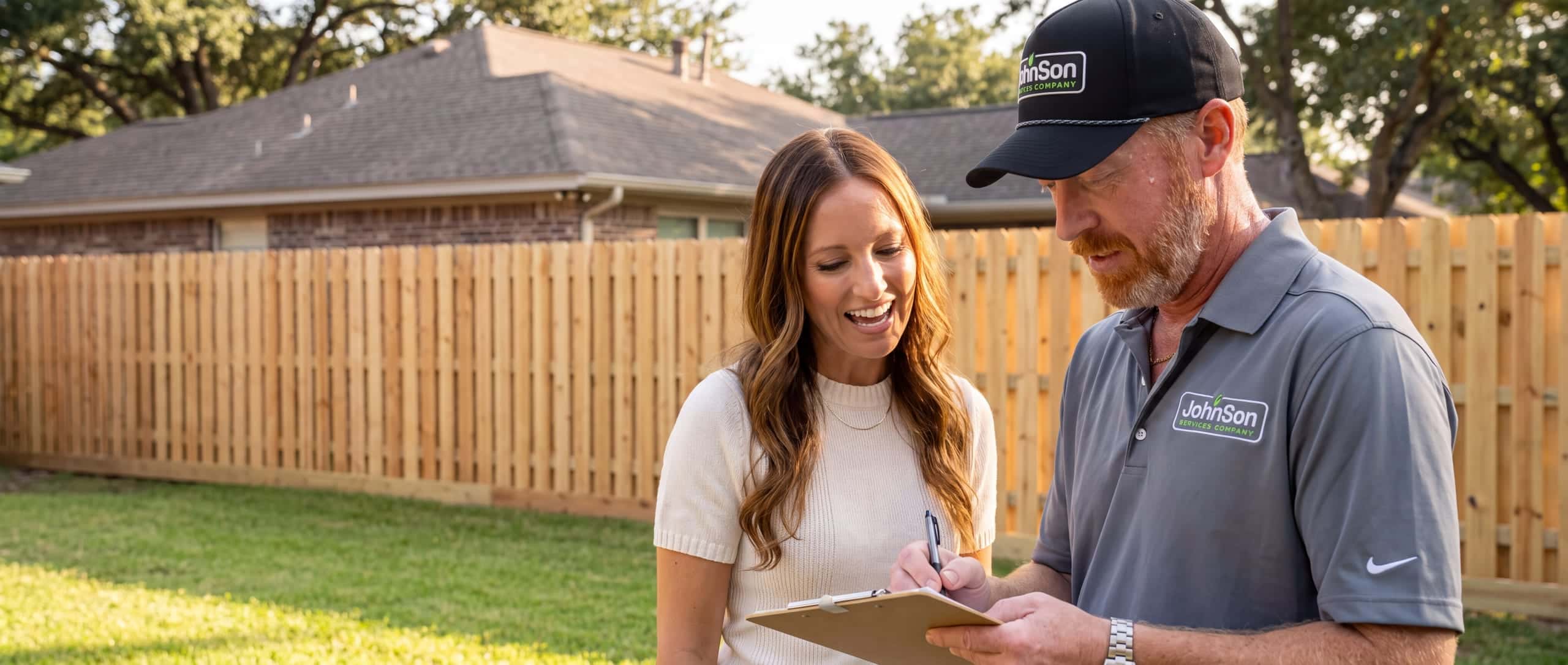
A Johnson estimator writing a fence quote on a clipboard beside a homeowner.

Price a fence before you call

See what a fence costs before anyone quotes you.

Pick the material, the height and how many feet of fence, and the calculator shows the market range for a fence like yours in Texas. Then a salesperson measures the real one in your yard and the number comes back the same day.

The estimate is free and there is nothing to sign.

But Your HOA Can No Longer Ban the Fence Itself

Since September 1, 2025, a property owners’ association may not prohibit an owner from installing a perimeter fence or other security measure (Texas Property Code, 2025). Senate Bill 711 expanded Section 202.023, and it changed the shape of the argument between homeowners and boards. The city sets the height ceiling. The association can only narrow the choices underneath it.

Rise Association Management, which manages Texas communities, notes that the 2025 bill refined provisions first put in place by Senate Bill 1588 in September 2021, expanding board authority in some areas while reinforcing homeowner protections in others. Here is what a covenant can still say no to.

  • Type and material. A board keeps limited authority over what the fence is made of and how it looks, so a covenant requiring cedar in a specific stain still stands.
  • Driveway gate setback. An association may require a driveway gate to sit at least 10 feet back from a laned right-of-way.
  • Fencing forward of the front building line. A covenant may still bar a fence in front of your home’s front wall.
  • What it cannot do. Ban the perimeter fence outright. A covenant that tries is unenforceable, and Section 202.003(a) tells courts to read restrictive covenants liberally.

Fencing installed before September 1, 2025 is grandfathered. If your fence went up in 2023, the old covenant terms it was approved under still apply to it.

So Clear Three Layers Before You Pick a Height

Work down from the city, then the covenant, then the site. In that order, because a covenant can never give you more height than the code allows and a board cannot approve a fence the city will make you cut down.

Your situation The layer that decides What to do first
No HOA, inside city limits Your city’s fence ordinance Confirm the height ceiling and whether your material triggers a permit
HOA lot, fence built before Sept 1, 2025 The covenant terms in force when it was approved Leave it alone; the older fence is grandfathered
HOA lot, new fence City height first, covenant second Submit material, color, and placement to architectural review
Masonry or concrete fence in Houston The city permit rule, at any height Get the permit determination before the design is finished
Driveway gate on a laned street City code plus the 10-foot setback an association may require Measure the setback from the right-of-way before ordering the gate

Code Sets Your Ceiling, Texas Wind Sets the Spec

A permit exemption tells you the city will not stop you. It does not tell you the fence will still be standing after a March windstorm. Engineers treat a solid privacy fence as a solid freestanding wall carrying the full wind load across its face, and the Houston metro is mapped at basic design wind speeds on the order of 130 to 140 mph, rising toward 150 near the shoreline (ASCE 7-22, 2022).

That is why the height question and the build question are the same question. Every foot you add above 6 catches more wind on a longer lever arm, which drives deeper posts, more concrete, and more attention at the corners and the gate posts where walls fail first. Houston will let you build to 8 feet. Whether your 8-foot fence survives depends on what goes in the ground.

How Four Texas Metros Compare on Who Can Build in Them

A code patchwork is only a problem if your contractor works in one city and guesses at the rest. The options split by how much of Texas they cover and what they build beyond a fence line, so here is how the leading name in each of our four metros compares on reach and scope.

Company Metros served Cities covered Beyond fence installation
Johnson Services Company Houston, Dallas-Fort Worth, Austin, San Antonio 42 Texas cities and towns from 7 offices Gates and operators, decks, masonry, landscaping, irrigation
Texas Fence Houston Houston and surrounding areas Driveway gates, access control, HOA and pool fencing
Austex Fence & Deck Austin Austin and Central Texas Decks, pergolas, porches, plus a materials showroom
Fence Pros of Texas San Antonio San Antonio metro only Gates and railings
Kodiak Fence Company Dallas-Fort Worth Flower Mound, Lewisville, Argyle, Denton, Carrollton, Coppell Fence staining and gate repair

Frequently Asked Questions

Does my existing fence have to follow the new 2025 HOA rules?

No. Fencing installed before September 1, 2025 is grandfathered under the expanded Section 202.023, so the terms it was approved under still govern it. The new protections apply when you install a new perimeter fence or a replacement.

Can my HOA still make me move my driveway gate?

Yes, within limits. An association may require a driveway gate to be set back at least 10 feet from the right-of-way where the driveway meets a laned roadway. Measure that setback before you order the gate, because a gate leaf and operator sized for one location rarely moves cleanly to another.

Does lattice on the top count toward my fence height?

Yes. Height is measured above grade to the top of the whole fence, so 6 feet of pickets with 2 feet of lattice is an 8-foot fence. In Houston that fence is still permit-free. In Austin it is a foot past the exemption line.

Do brick and concrete fences follow the same rules as wood?

Not in Houston, where a fence built wholly or partly of masonry or concrete requires a permit at any height. A masonry fence is a wall, and it gets sized for lateral wind load with reinforcement and a footing to match, so the design work starts earlier than it does on a wood fence.

Who pulls the fence permit, me or the fence company?

We do, on commercial work: we determine whether the project needs a permit and file it. A residential fence in our four metros rarely needs one, because most backyard fences land under the height line their city sets.

Does a taller fence need deeper posts?

Yes. Post embedment is sized as a cantilever, and the required depth grows with both the wind force on the fence and the height of that force above the ground. An 8-foot fence in soft Texas clay drives a deeper, wider concrete footing than a 6-foot fence on the same street.

Can I build a fence taller than 8 feet in Texas?

It depends on which city you are in, and in San Antonio the answer is no. The code caps residential fences at 8 feet and grants no special exception above that. Houston will go higher with a building permit, and Dallas allows up to 9 feet in a required yard.

How tall can my fence be on a corner lot?

Lower than the rest of your yard, near the intersection. Cities require a sight-visibility triangle at the corner kept clear so drivers can see cross traffic, and inside it the fence has to stay low and open regardless of what your backyard ceiling is. The triangle size and clear height are set locally, so confirm both with your city before the corner post is set.

Does my front-yard fence have to be see-through?

Usually, yes, in some form. San Antonio caps a solid front-yard fence at 3 feet but allows a predominantly open one at 4 feet, and Dallas makes a panel less than 50% open stand 5 feet back from the front lot line. Height alone will not clear either code, so settle the picket spacing or the rail style at the same time you settle the height.

My Houston fence needs no permit. Does anyone look at it?

In the front yard, yes. Houston has no zoning height number for a residential fence, but the Planning and Development Department administers platted building lines, setbacks, and corner visibility, and a front-yard fence gets checked against them. That review can land on a fence well under the 8-foot permit line, which is the case Houston homeowners most often assume is unregulated.

How Johnson Services Company Builds Under Four Texas City Codes

The layer that governs your yard is a local question, and we answer it in the city you live in rather than from a rule of thumb. Homeowners rate us 4.9 stars across 60 Google reviews. What they name most often is how fast the callback comes: in a June 2026 Google review, Randy R. wrote, “Their price was competitive and lower than the other 2 but what sealed the deal was Matt called back the same day I initially contacted them for an appraisal.”

We run seven offices across Houston, Dallas-Fort Worth, Austin, and San Antonio, serving 42 cities and towns. A salesperson meets you on site, measures the linear footage, and confirms the fence type and picket grade by name, #1 through #3, so the height and the spec are settled before anything is ordered. A quote goes out the same day on 95% of real leads, work starts within about 4 days, and most jobs finish the day they start. Everything we build carries a one-year warranty on material and craftsmanship; and last year, across more than 20,000 completed jobs, that warranty generated zero craftsmanship callbacks. That’s not a target we’re chasing; it’s the finished record for the year, a 100% mark on every job we closed out.

The price works because of what sits behind it. Master Halco named us its Largest Volume Customer for both the Southwest Region and the World in 2026, so we buy wood pickets at a cost a one-to-three-crew shop cannot get, and that gets passed through to you. Same fence, same named grade, less money. In a May 2026 Google review, Jess C. described the result as “Awesome high quality workmanship and timely.”


Johnson Services Company knows which layer governs your yard before the first post hole is dug, in all 42 Texas cities and towns we serve. Call (877) 956-4676 or request a free on-site estimate, and we will measure the line and quote it the same day.

See what your city lets you build →

Free estimate

Get your estimate from the largest fence company in Texas

Tell us what you need and where the fence goes, and a salesperson will come out and measure the line before anyone writes a number. You get the picket grade and the total in writing, the visit costs nothing, and there is nothing to sign.

Call (877) 956-4676

Monday to Friday, 7am to 4pm.

What kind of fence?
Which part of Texas?
Roughly how much fence?
How did you hear about us?
  • Free on-site estimate
  • Same-day quote
  • Nothing to sign
  • Work starts in about 4 days